Why You Should Consider Adopting a Devon Rex This Year
Introduction:
Adopting a pet is a significant decision that brings joy and companionship into your home. Among the many cat breeds available, the Devon Rex stands out as a unique and delightful choice. Known for their distinctive appearance, hypoallergenic qualities, and friendly nature, these cats are perfect for families looking for an intelligent, playful, and affectionate companion. In this article, we will explore why you should consider adopting a Devon Rex this year, highlighting their unique characteristics, care requirements, and the benefits they bring to a household.
The Distinctive Appearance of Devon Rex Cats
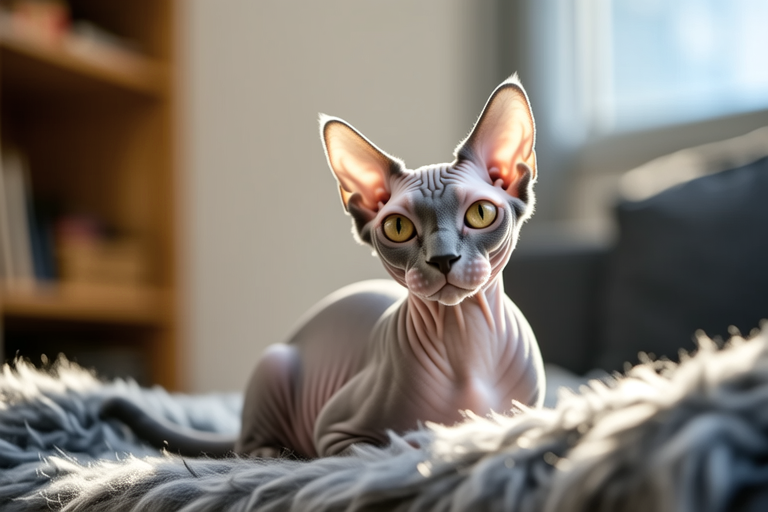
Devon Rex cats are instantly recognizable due to their striking physical features. They have large ears set low on their heads, giving them an almost alien-like appearance. Their most notable characteristic is their short, wavy coat, which is soft to the touch and requires minimal grooming. The coat’s texture and lack of undercoat make it less likely to trigger allergies in people sensitive to cat dander, making Devon Rexes a popular choice for allergy sufferers.
These cats also have long, slender bodies and large, expressive eyes that add to their charm. Their playful demeanor and mischievous personality are often reflected in their facial expressions, making them a joy to watch. Their unique looks and lively behavior ensure that Devon Rex cats are always the center of attention.
Hypoallergenic Qualities
For those who love cats but struggle with allergies, the Devon Rex might be the perfect solution. While no cat is entirely hypoallergenic, Devon Rexes are considered one of the more suitable options for allergy sufferers. Their lack of undercoat and shorter hair mean that they produce less dander, the primary allergen associated with cats. Additionally, their low-shedding coats reduce the amount of allergens in the environment, making them a great option for households with sensitivities.
Prospective owners should still consult with an allergist and spend time with a Devon Rex before committing to adoption to ensure compatibility. However, for many, the hypoallergenic qualities of Devon Rex cats make them an ideal choice for creating a pet-friendly home.
A Friendly Nature
Devon Rex cats are known for their outgoing and friendly personalities. They are incredibly social and enjoy interacting with their human companions, often seeking out attention and affection. These cats thrive on human interaction and are happiest when they are part of the family’s daily activities. They are equally comfortable in busy households and quieter environments, adapting well to different living situations.
Devon Rexes are particularly fond of children and other pets, making them excellent additions to families. Their playful and gentle nature ensures that they can coexist harmoniously with other animals and provide a safe, fun playmate for kids. This makes Devon Rexes a wonderful choice for homes where pets are valued as cherished members of the family.
Caring for Your Devon Rex
While Devon Rex cats are generally low-maintenance, they still require proper care to ensure their health and happiness. Regular grooming is necessary to maintain their short, wavy coats, although it is minimal compared to other breeds. A weekly brushing with a soft-bristled brush is usually sufficient to keep their fur healthy and free of mats. Additionally, keeping their nails trimmed and ears clean is essential for their overall well-being.
Providing mental and physical stimulation is crucial for Devon Rexes, as they are highly intelligent and active. Interactive toys, puzzle feeders, and regular play sessions help keep them engaged and prevent boredom. Their curious nature means they will appreciate opportunities to explore and investigate their surroundings, so it’s important to create a stimulating environment for them.
Feeding a balanced diet tailored to their specific nutritional needs is also vital. High-quality cat food that meets their dietary requirements will help them stay healthy and maintain their energy levels. Consult with a veterinarian to determine the best diet for your Devon Rex based on their age, activity level, and any specific health considerations.
Common Health Issues
Despite their overall good health, Devon Rex cats are prone to certain genetic conditions. One of the most common issues is hereditary myopathy, a neuromuscular disorder that affects their movement. Early signs of this condition include weakness, muscle atrophy, and difficulty walking. Regular veterinary check-ups and monitoring for symptoms can help catch this condition early and manage it effectively.
Another potential concern is patellar luxation, a condition where the kneecap dislocates from its normal position. This can cause lameness and discomfort. Prompt treatment and management can alleviate symptoms and improve mobility. It’s important to note that not all Devon Rex cats will develop these conditions, and many live healthy, active lives without any issues. However, being aware of potential health risks allows owners to take proactive steps to ensure their cat’s well-being.
Playful and Intelligent Personalities
One of the standout features of Devon Rex cats is their high intelligence and playful nature. They are quick learners and enjoy solving puzzles and playing games that challenge their minds. Their curiosity leads them to investigate everything in their environment, and they often engage in activities that mimic hunting behaviors. Providing them with interactive toys and games that stimulate their intellect helps keep them entertained and prevents boredom.
Devon Rexes are also known for their ability to learn tricks and respond to training. Many owners have successfully taught their cats to fetch, sit, and even perform other simple commands. This level of engagement not only strengthens the bond between owner and pet but also provides mental enrichment. Their playful and intelligent personalities contribute significantly to the enjoyment and satisfaction they bring to their families.
Real-Life Testimonials
Many Devon Rex owners have shared their experiences and highlighted the joys of having these unique cats in their homes. Sarah, a mother of two, adopted a Devon Rex named Charlie last year. She describes him as “a constant source of entertainment and love.” Charlie’s playful antics and affectionate nature have brought laughter and warmth to their family. “He’s always there to greet us when we come home and loves to join in our family activities,” Sarah says. “He’s a true member of the family.”
John, a single homeowner, adopted a Devon Rex named Luna. He was initially drawn to her hypoallergenic qualities but quickly became enamored with her friendly and intelligent personality. “Luna is always up for a game of fetch or a puzzle-solving session,” John shares. “She keeps me company and challenges my mind, making her an invaluable companion.”
Promoting Responsible Pet Ownership
When considering adopting a Devon Rex, it’s essential to approach the decision with responsibility and commitment. Ensuring that you can provide a loving, stable home and the necessary care is paramount. Prospective owners should research the breed thoroughly, understand their specific needs, and prepare themselves for the lifelong commitment involved in pet ownership.
Rescue organizations and shelters are great places to find Devon Rex cats in need of loving homes. By adopting from these sources, you not only give a deserving cat a second chance at happiness but also support animal welfare efforts. Encouraging friends and family to consider adoption rather than purchasing from breeders promotes responsible pet ownership and reduces the demand for unethical breeding practices.
Conclusion:
Adopting a Devon Rex cat can be a rewarding experience, offering companionship, joy, and endless entertainment. With their distinctive appearance, hypoallergenic qualities, friendly nature, and playful intelligence, these cats make wonderful additions to families. By understanding their unique needs and providing appropriate care, owners can ensure a long, happy life for their Devon Rex. Whether you’re a first-time cat owner or adding to your existing family, a Devon Rex could be the perfect companion to enrich your life this year.
