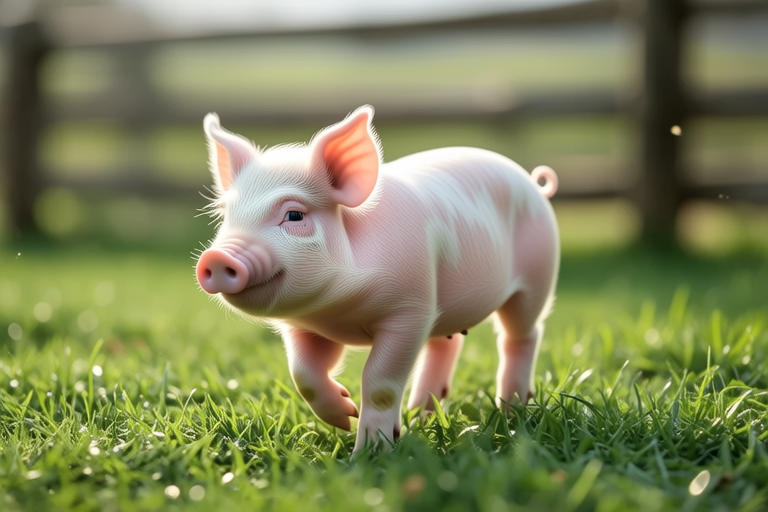
The Ultimate Guide to Caring for Your Happy, Healthy Mini Pig
Welcome to the wonderful world of mini pigs! These delightful creatures can bring joy and companionship into your home, but they also require specific care to ensure their happiness and health. This comprehensive guide will walk you through essential aspects of mini pig ownership, from diet and exercise to housing and grooming. Let’s dive in!
Diet: Nourishing Your Mini Pig
Proper nutrition is crucial for the well-being of your mini pig. A balanced diet should consist of commercial mini pig feed, vegetables, fruits, and occasional treats. Avoid feeding them avocados, chocolate, or excessive salt.
Commercial Feed: Look for high-quality, specially formulated mini pig pellets that meet their nutritional needs. Check the label for adequate protein and fat levels, as well as essential vitamins and minerals.
Fruits and Vegetables: Offer a variety of fresh produce, such as carrots, broccoli, apples, and bananas. Always wash these items thoroughly before giving them to your pig. Be cautious with sugary fruits like grapes and watermelon; they should be fed sparingly.
Treats: While it’s tempting to spoil your pig with treats, remember that moderation is key. Choose low-calorie options like small pieces of apple or carrot to avoid weight gain.
Exercise: Keeping Your Mini Pig Active
Mini pigs need regular physical activity to maintain a healthy weight and prevent boredom. Encourage exercise by providing toys and creating an obstacle course with tunnels or hoops. Daily walks on a leash can also stimulate their minds and bodies.
Ensure your pig has enough space to roam freely indoors or outdoors. If you have a yard, consider fencing it off to create a safe play area. Always supervise your pig during outdoor activities to protect them from potential dangers like predators or traffic.
Housing Requirements: Creating a Comfortable Home
Your mini pig’s living environment should be clean, comfortable, and secure. A spacious indoor area with soft bedding and temperature control is ideal. Outdoor pens should offer shelter from extreme weather conditions.
Indoor Housing: Mini pigs are intelligent animals that enjoy interacting with their surroundings. Provide them with a crate or pen large enough for them to move around comfortably. Add blankets, hay, or straw for bedding. Install a heat lamp if necessary, especially during colder months.
Outdoor Pens: Design an outdoor enclosure that provides shade, ventilation, and protection from harsh elements. Use sturdy materials to construct the pen, ensuring there are no gaps where your pig could escape or predators could enter. Incorporate toys and enrichment items to keep them entertained.
Grooming: Maintaining Your Mini Pig’s Appearance
Regular grooming helps maintain your pig’s coat and skin health. Brush their fur weekly to remove dirt and loose hair. Trim their nails every few weeks, and clean their ears and teeth regularly.
Bathing: Bathe your mini pig only when necessary, typically once every few months. Use a gentle shampoo designed for pigs or dogs, and rinse thoroughly to prevent skin irritation. Dry them completely after bathing to avoid chills.
Ear Care: Inspect your pig’s ears regularly for signs of infection or wax buildup. Clean them gently with a cotton ball dipped in a mixture of equal parts water and white vinegar. Avoid inserting anything deep into the ear canal.
Health Care: Ensuring Your Mini Pig’s Well-Being
Regular veterinary check-ups are vital for early detection of health issues. Schedule annual visits, even if your pig appears healthy. Discuss spaying or neutering with your vet, as this procedure can help reduce certain behavioral problems and extend lifespan.
Vaccinations are important for preventing diseases. Follow your veterinarian’s recommendations regarding vaccinations and deworming schedules. Monitor your pig’s weight and appetite closely, and consult your vet if you notice any changes.
Training Tips: Teaching Your Mini Pig Good Habits
Positive reinforcement is the most effective method for training your mini pig. Reward desired behaviors with treats, praise, or affection. Consistency is key—use the same commands and rewards each time.
Teach basic commands like “sit,” “stay,” and “come” using treats as incentives. Gradually phase out treats as your pig learns to follow commands without them. Crate training can also be beneficial, helping your pig feel secure and reducing destructive behavior.
Common Behaviors: Understanding Your Mini Pig
Mini pigs exhibit various behaviors that may seem unusual at first but are perfectly normal. They are curious creatures who love to explore their environment. Provide plenty of toys and activities to keep them mentally stimulated.
Sometimes, mini pigs display digging behavior. This is natural and can be managed by providing appropriate outlets, such as digging pits filled with sand or dirt. Redirect unwanted digging by offering alternative activities.
Snout rubbing is another common behavior. Pigs often rub their snouts against objects or people as a sign of affection or to claim territory. Allow this behavior within reason, but discourage it if it becomes excessive.
Socialization: Building Strong Bonds
Socializing your mini pig is essential for developing strong bonds and promoting positive interactions. Introduce them to other pets and humans gradually, allowing time for acclimation. Attend piggy playdates or join local pig clubs to meet fellow owners and exchange tips.
Handle your pig frequently from a young age to build trust and confidence. Gently pet and cuddle them, but respect their personal space. Encourage gentle play and avoid roughhousing, which can lead to injury.
Remember, every mini pig is unique, and patience is key when building relationships. Take the time to understand your pig’s individual needs and preferences, and celebrate each milestone together.
Caring for a mini pig is a rewarding experience that brings many joys. By following these guidelines and maintaining open communication with your veterinarian, you’ll ensure your mini pig lives a long, happy, and healthy life. Enjoy the journey!
