Betta Blues: Understanding and Brightening Your Betta’s Mood
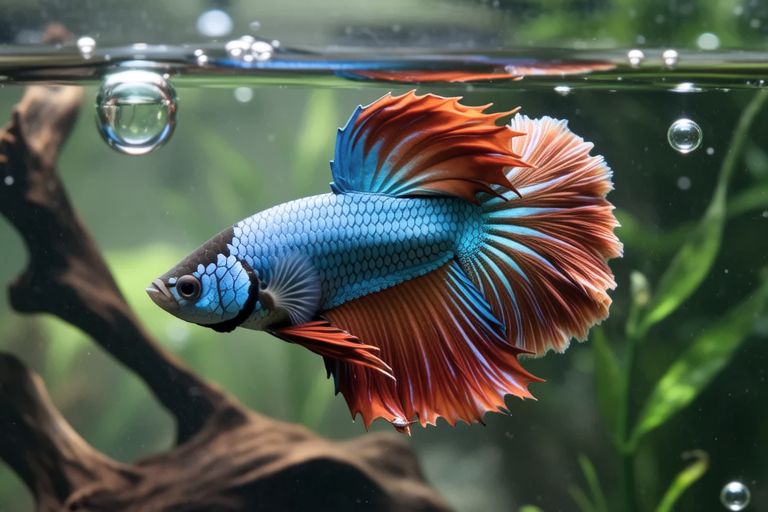
Welcome to the fascinating world of Betta fish! These vibrant creatures, often referred to as Siamese fighting fish, are known for their striking colors and flowing fins. However, like any other pet, they require attentive care to thrive. This article delves into understanding the signs of stress in your Betta, essential aspects of their environment, and ways to enrich their lives.
Common Behaviors and Signs of Stress in Betta Fish
Recognizing when your Betta is feeling down is crucial. Some common signs of stress include lethargy, loss of appetite, hiding, clamped fins, and unusual swimming patterns such as darting or floating at the surface. Bettas might also display darkened coloration if they’re under stress, which contrasts with their usual vibrant hues. Pay close attention to these behaviors; they could signal underlying issues that need addressing.
The Importance of Proper Tank Setup
A well-designed tank is fundamental to a Betta’s happiness. The ideal tank size for a single Betta is at least 5 gallons, providing ample space for exploration and swimming. Ensure the tank has a secure lid to prevent escapes and avoid overcrowding. Optimal filtration systems maintain water quality while preventing strong currents that can stress your Betta.
Substrate choice plays a significant role too. Fine gravel or sand mimics natural habitats and provides a comfortable resting place for your Betta. Decorations, like caves and plants, offer hiding spots and mimic the Betta’s natural environment, reducing stress and promoting exploration.
Water Conditions for a Happy Betta
Water quality directly impacts a Betta’s health and mood. Maintain a temperature range between 76°F and 82°F (24°C to 28°C) and a pH level between 6.5 and 7.5. Regularly test the water parameters using a reliable kit to ensure ammonia, nitrite, and nitrate levels remain within safe limits. Perform partial water changes weekly, replacing about 20% of the tank volume to keep the water clean and fresh.
Adequate aeration is vital for oxygenating the water. An air pump or a filter with an air stone ensures sufficient oxygen levels, especially important if your tank doesn’t have a large surface area for gas exchange. Remember, Bettas breathe through labyrinth organs, which allow them to take in atmospheric oxygen, but they still benefit from well-oxygenated water.
Diet and Nutrition for a Healthy Betta
A balanced diet is key to maintaining a Betta’s health and happiness. Provide high-quality Betta pellets or flakes as the primary food source. Supplement their diet with occasional treats like frozen bloodworms, brine shrimp, or daphnia. Avoid overfeeding, as this can lead to poor water quality and obesity. Feed your Betta twice daily, offering only what they can consume within two minutes.
Vary the diet to ensure a wide range of nutrients. Some commercial foods come enriched with vitamins and minerals, contributing to your Betta’s overall health and vibrant colors. A nutritious diet supports their immune system, ensuring they can fight off diseases and infections more effectively.
The Role of Tank Mates and Decorations
Choosing appropriate tank mates is crucial for a Betta’s well-being. While Bettas are solitary fish, they can coexist peacefully with certain species. Small, non-aggressive fish like ghost shrimp, cherry shrimp, or snails make excellent companions. However, avoid keeping Betta with fin-nipping fish or those that might mistake the Betta’s long fins for food.
Decorations play a significant role in enhancing your Betta’s environment. Floating plants and artificial plants provide hiding spots and stimulate natural behaviors. Consider adding driftwood or rocks to create diverse habitats. Ensure decorations are securely placed to prevent injuries from sharp edges. A well-decorated tank not only looks appealing but also offers mental stimulation, reducing stress and promoting positive behaviors.
Interactive Play and Enrichment Activities
Engaging your Betta in interactive play can significantly brighten their day. One popular activity is feeding with a pipette or target stick, encouraging them to follow and interact. You can also introduce floating toys or bubbles to pique their interest. Regularly changing the tank layout introduces new elements, stimulating curiosity and exploration.
Consider incorporating a mirror during play sessions. Bettas are naturally territorial, and seeing their reflection can trigger brief displays of fin flaring and darting. However, limit these sessions to a few minutes to prevent excessive stress. Always supervise these interactions and ensure the mirror is safely positioned away from the tank walls.
Monitoring Your Betta’s Behavior
Regular observation is essential for maintaining your Betta’s well-being. Spend time watching them daily, noting any changes in behavior, appetite, or physical appearance. Early detection of potential issues allows for timely intervention, preventing more serious problems. Keep a journal documenting your observations, water parameters, and feeding schedules. This record helps track trends and identify patterns, guiding better care decisions.
If you notice persistent signs of stress or illness, consult a veterinarian specializing in exotic pets. They can provide expert advice and treatment options tailored to your Betta’s specific needs. Regular check-ups ensure your Betta remains healthy and happy.
Conclusion
Caring for a Betta requires dedication and attention to detail. By understanding the signs of stress, creating an optimal environment, and providing enrichment, you can ensure your Betta leads a fulfilling and joyful life. Regular monitoring and proactive care are key to maintaining their health and happiness. Embrace the opportunity to build a strong bond with your Betta, and watch them flourish in their vibrant underwater world.
Resource List for Further Reading
- Betta Care Guide: A comprehensive guide covering all aspects of Betta care, from tank setup to dietary requirements.
- Tank Maintenance Tips: Detailed instructions on maintaining water quality and performing regular maintenance tasks.
- Behavioral Insights: An in-depth look at Betta behaviors, including signs of stress and enrichment activities.
- Disease Prevention: Strategies for preventing common Betta diseases and maintaining a healthy aquatic environment.
