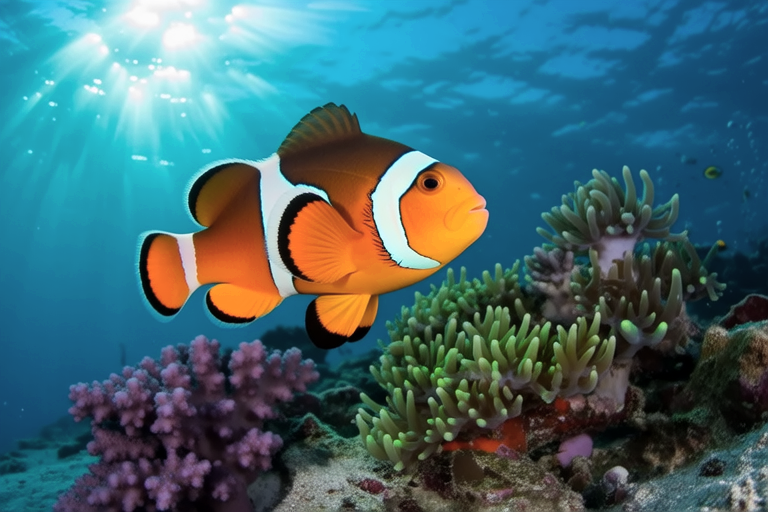
How to Make Your Aquarium Home Sweet Home for a Clownfish
Welcome to the wonderful world of aquarium keeping! If you’re considering adding a clownfish to your underwater paradise, you’ve chosen a delightful and vibrant addition. Clownfish, also known as anemonefish, are not only visually stunning but also relatively easy to care for. This guide will walk you through everything you need to know about setting up the perfect environment for your clownfish, ensuring they thrive in their new home.
Understanding Water Parameters
The first step in creating a suitable habitat for your clownfish is understanding the ideal water conditions. Clownfish are tropical fish that require warm water with stable parameters. The temperature should be maintained between 76°F and 82°F (24°C and 28°C). A reliable heater is essential to keep the water at the right temperature.
pH levels should range from 8.1 to 8.4, reflecting the slightly alkaline nature of seawater. To achieve this, consider using marine salt mix designed specifically for reef tanks. Regular testing with pH test kits will help maintain these levels. Additionally, ensure that the water hardness is within the range of 8 to 12 dKH (degrees of carbonate hardness).
Adequate aeration is crucial for oxygenating the water. Clownfish need well-oxygenated water to breathe comfortably. Install an air pump and diffuser to introduce air bubbles into the tank, which will increase the surface agitation and oxygenation.
Tank Size and Setup
Clownfish can grow up to 4 inches long, so it’s important to provide them with ample space. For a single clownfish, a 20-gallon tank is recommended. However, if you plan to add more clownfish or other compatible species, you’ll need a larger tank. A 30-gallon tank is ideal for two clownfish, while a 55-gallon tank would be suitable for three.
When setting up the tank, start by adding a layer of fine-grained substrate, such as aragonite sand, to replicate the natural sandy bottom found in coral reefs. This substrate not only looks appealing but also helps buffer the water chemistry, maintaining stable pH levels.
Clownfish are territorial creatures, so providing ample swimming space and hiding spots is vital. Incorporate rocks, caves, and live rock into the tank setup. Live rock serves multiple purposes; it provides additional hiding places, promotes beneficial bacteria growth, and contributes to the biological filtration process.
Filtration Systems
An efficient filtration system is key to maintaining water quality. Clownfish produce waste, and without proper filtration, ammonia and nitrite levels can rise, posing a threat to their health. A combination of mechanical, chemical, and biological filtration is recommended.
Mechanical filtration removes debris and particulate matter from the water. A sponge filter or power filter with a pre-filter sponge is effective. Chemical filtration involves the use of activated carbon to remove dissolved organic compounds and medications. Finally, biological filtration supports the growth of beneficial bacteria that convert harmful ammonia into less toxic nitrate. A high-quality wet-dry filter or a trickle filter can enhance biological filtration.
Regular maintenance of the filtration system is essential. Clean the mechanical filters every few weeks and replace the activated carbon monthly. Monitor the water parameters closely and perform partial water changes when necessary to keep the tank clean and healthy.
Decorations and Hiding Spots
Creating a visually appealing and functional environment for your clownfish involves thoughtful decoration. In addition to live rock, consider incorporating artificial plants, driftwood, and PVC pipes to mimic natural hiding spots. These decorations not only provide shelter but also stimulate the fish’s natural behavior.
Clownfish are known for their symbiotic relationship with sea anemones. While it’s possible to keep anemones in a reef tank, it requires specialized care and experience. If you’re not ready for the challenge, you can still create a cozy home for your clownfish without anemones. Use fake anemones as a substitute; they look realistic and serve the same purpose of providing hiding spots.
Suitable Tank Mates
Choosing the right tank mates is crucial for maintaining harmony in your aquarium. Clownfish are generally peaceful but can become territorial, especially when breeding. Therefore, it’s best to avoid keeping them with aggressive or overly active species.
Good tank mates for clownfish include other peaceful marine fish like cardinalfish, blennies, and small wrasses. It’s important to introduce new fish gradually and monitor their interactions to ensure compatibility. Avoid keeping clownfish with large predatory fish or those that exhibit aggressive behavior towards smaller species.
Dietary Needs and Feeding Habits
Clownfish are omnivores, meaning they eat both plant-based and animal-based foods. In the wild, they feed on algae, zooplankton, and small invertebrates. In captivity, you can offer a variety of prepared foods to meet their nutritional needs.
High-quality flake food, pellets, and frozen foods are excellent choices for clownfish. They enjoy brine shrimp, mysis shrimp, and bloodworms. Feed your clownfish two to three times a day, offering small portions each time. Overfeeding can lead to poor water quality and health issues, so it’s important to monitor their eating habits and adjust the amount accordingly.
Clownfish have a unique feeding behavior. They often swim around the tank, searching for food. This behavior is part of their natural instinct, so providing a varied diet will encourage them to explore and engage with their surroundings.
Maintaining Water Quality
Water quality is paramount for the health and longevity of your clownfish. Regular monitoring and maintenance are necessary to ensure optimal conditions. Test the water regularly for ammonia, nitrite, nitrate, pH, and temperature. Address any deviations promptly to prevent stress and disease.
In addition to regular water changes, use a protein skimmer to remove excess organic compounds from the water. This device helps maintain water clarity and reduces the risk of harmful substances building up. Also, consider using a UV sterilizer to eliminate harmful microorganisms and improve water quality.
Creating Hiding Spots
Hiding spots are essential for clownfish as they provide security and comfort. In the wild, clownfish seek refuge in sea anemones, but in captivity, you can replicate this environment using various decorations. Rocks, caves, and live rock all make excellent hiding spots.
Arrange the decorations strategically to create a labyrinth of tunnels and crevices. This not only provides hiding spots but also encourages exploration and playfulness. Ensure that the hiding spots are easily accessible and spacious enough for the clownfish to fit comfortably.
Creating a designated area for feeding can also help reduce stress and promote healthy eating habits. Place the food dish in a corner or near a hiding spot, allowing the clownfish to feel secure while eating.
Caring for Your Clownfish
Once your aquarium is set up and your clownfish are settled in, regular care and attention are necessary to ensure their well-being. Observe their behavior daily, noting any changes in activity level, appetite, or appearance. Healthy clownfish are active, colorful, and responsive to stimuli.
If you notice any signs of illness, such as lethargy, loss of appetite, or unusual spots or lesions, act quickly. Quarantine the affected fish and consult a veterinarian specializing in marine life for proper diagnosis and treatment. Prevention is key, so maintain pristine water conditions and provide a balanced diet to keep your clownfish healthy.
With the right setup and care, your clownfish will thrive in their new home. Enjoy watching them swim gracefully among the rocks and decorations, interacting with their tank mates, and exploring their underwater kingdom.
By following these guidelines, you’ll create a thriving environment where your clownfish can flourish. Whether you’re a beginner or an experienced aquarist, setting up a tank for clownfish is a rewarding endeavor that brings joy and beauty to your home.
