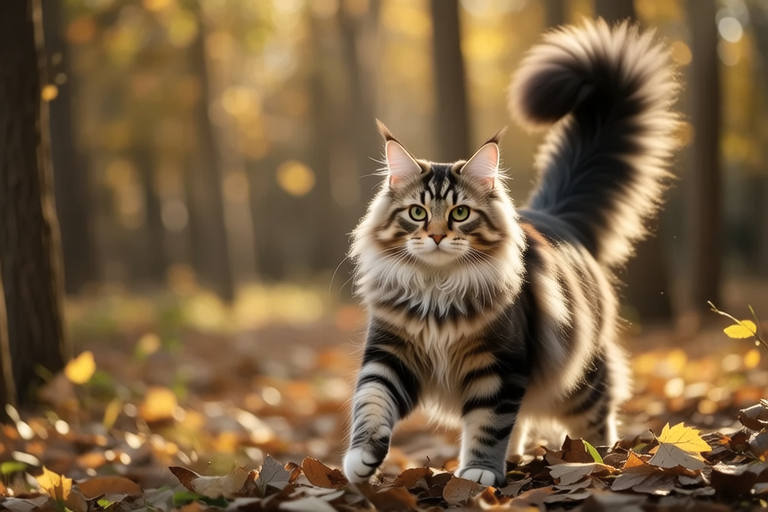
From Forest to Couch: How Maine Coons Became Internet Sensations and Family Favorites
The Maine Coon, often referred to as the “gentle giant” of the feline world, has a rich history dating back to colonial America. These large, intelligent, and affectionate cats have made a remarkable transition from their origins as skilled hunters in dense forests to beloved companions in modern homes. This article delves into the fascinating journey of Maine Coons, exploring their evolution from wild forest dwellers to domesticated pets, the traits that make them unique, and their rise to internet stardom.
Ancient Roots and Adaptation
Maine Coons have been part of American folklore since the early 1800s, with stories attributing their origin to various theories, including a liaison between a raccoon and a domestic cat. While scientifically debunked, this myth underscores the breed’s distinct appearance. Historically, these cats were prized for their hunting prowess, guarding farms and ships against rodents. Their large paws, tufted ears, and water-resistant coats adapted perfectly to the harsh New England climate. Over time, their role shifted from pest control to companionship, making them an integral part of many households.
Unique Traits and Endearing Qualities
One of the most striking features of Maine Coons is their size; they can reach up to 40 pounds, making them one of the largest domestic cat breeds. Despite their imposing stature, they are known for their gentle nature and playful demeanor, traits that have endeared them to families. Their intelligence is another standout characteristic, often seen in their ability to solve puzzles or learn tricks. Maine Coons are also highly adaptable, thriving in both urban and rural settings, which contributes to their widespread appeal.
Their temperament is particularly suited for family life. Maine Coons are patient and affectionate, making them excellent companions for children and other pets. They are generally calm and easygoing, yet they retain enough energy to engage in play. Their loyalty and protective instincts towards their human families add to their charm, creating strong bonds within households.
The Rise of Maine Coons in Internet Culture
The digital age has played a significant role in elevating Maine Coons to internet stardom. Social media platforms like Instagram, TikTok, and YouTube have provided a global stage for these cats to showcase their unique personalities. The internet has been awash with videos and images of Maine Coons performing various antics, from playing fetch to mimicking human behaviors. One notable instance was the viral video of a Maine Coon named Lil Bub, whose distinctive appearance and quirky personality captured millions of hearts worldwide.
These viral moments have not only increased awareness about the breed but have also highlighted their endearing quirks, such as their love for water and their tendency to purr loudly. The community of Maine Coon enthusiasts online has grown exponentially, fostering a sense of camaraderie among owners and admirers alike. This online presence has also helped in promoting responsible breeding practices and raising funds for rescue efforts.
Why Maine Coons Are Popular Family Pets
The popularity of Maine Coons as family pets stems from their versatile and friendly nature. They are ideal companions for families with children due to their patience and playful disposition. Maine Coons are also known for their tolerance towards other pets, making them a harmonious addition to multi-pet households. Their adaptability means they can thrive in various living conditions, from apartments to spacious homes.
Moreover, their health and longevity are impressive for a cat of their size. With proper care, Maine Coons can live up to 15 years or more, providing long-lasting companionship. Their robust immune systems and general good health further contribute to their appeal as family pets. Additionally, their low maintenance grooming needs (despite their luxurious coats) make them a practical choice for busy households.
Future Prospects and Social Media Influence
The future looks bright for Maine Coons, with continued growth in pet ownership trends indicating sustained demand for these majestic creatures. As more people seek larger, interactive pets that offer emotional support and companionship, Maine Coons are likely to remain a top choice. The ongoing influence of social media will continue to shape their popularity, with platforms serving as a vital tool for education, advocacy, and connection among fans.
As the internet continues to evolve, new opportunities for showcasing Maine Coons will emerge, potentially leading to even greater exposure and appreciation. However, it is crucial to ensure that the spotlight does not overshadow responsible breeding and ethical considerations. By maintaining a balance between publicity and welfare, the Maine Coon’s legacy as a cherished companion will endure.
In conclusion, the journey of Maine Coons from forest-dwelling hunters to internet sensations and family favorites is a testament to their unique qualities and enduring appeal. Their adaptability, intelligence, and loving nature have made them an indispensable part of many homes. As we look forward to the future, it is clear that Maine Coons will continue to captivate hearts and homes, ensuring their place as beloved members of the pet community.
