Unleashing Serenity: How Ragdoll Cats Bring Calm to Any Home
Ragdoll cats are known for their unique blend of grace and gentle nature. These beautiful creatures are often described as having a laid-back personality, making them perfect companions for those seeking calm and serenity in their homes. Their name, derived from their tendency to go limp like a rag doll when picked up, is indicative of their docile demeanor. This article explores how Ragdoll cats can bring tranquility to any home, delving into their distinctive qualities, the science behind pet-induced relaxation, and personal stories that highlight the calming presence of these magnificent animals.
The Gentle Giants of the Feline World
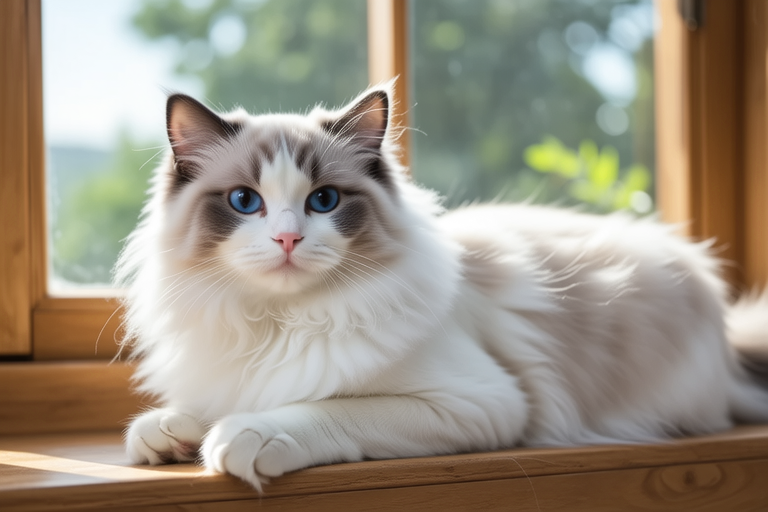
Ragdolls are large, semi-longhaired cats with striking blue eyes and a luxurious coat that comes in various patterns. Their appearance is complemented by their serene disposition. Unlike many other breeds, Ragdolls are known for their affectionate nature, often following their owners around the house and even allowing themselves to be carried like babies. This breed’s gentle and loving temperament makes them ideal for families with children or other pets. They are also known for their loyalty, often forming strong bonds with their human companions, providing constant companionship and comfort.
The Science Behind Pet-Induced Relaxation
Studies have shown that interacting with pets, particularly cats, can significantly reduce stress and anxiety levels. The mere presence of a cat can lower cortisol levels, a hormone associated with stress. Additionally, petting a cat has been found to increase the production of oxytocin, often referred to as the ‘love hormone,’ which promotes feelings of bonding and relaxation. In a study conducted at Washington State University, participants who interacted with therapy cats showed decreased blood pressure and heart rates, indicating a reduction in stress levels. This scientific evidence supports the anecdotal claims of pet owners who find solace in the company of their feline friends.
Personal Stories of Tranquility
One such story comes from Sarah Thompson, a single mother of two young children living in suburban Chicago. After a particularly stressful day at work, Sarah found herself overwhelmed and anxious. She adopted a Ragdoll kitten named Luna, and soon noticed a significant change in her mental state. “Luna’s presence has brought a sense of peace to our home,” Sarah shares. “She’s always there to cuddle and provide comfort, making even the toughest days more bearable.”
Another example is the Johnson family from San Francisco. With three children and busy schedules, the Johnsons sought a way to maintain harmony in their home. They adopted a Ragdoll cat named Oliver, who quickly became the family’s emotional anchor. “Oliver has this way of just knowing when someone needs a little extra love,” says Mrs. Johnson. “He’ll jump onto laps and purr softly, helping us all unwind after a long day.”
Caring for Your Ragdoll Cat
To ensure your Ragdoll cat remains a healthy and happy companion, it’s essential to provide proper care. Regular grooming is necessary due to their semi-longhair coat, requiring brushing at least once a week to prevent matting. A balanced diet rich in proteins and essential nutrients is crucial for maintaining their health. Regular veterinary check-ups are also important to catch any potential health issues early. Providing ample space for play and interaction is vital, as Ragdolls are social animals that thrive on attention and stimulation.
The Enduring Bond Between Humans and Their Feline Friends
The relationship between humans and their cats has been a source of comfort and companionship for centuries. Cats have an uncanny ability to read their owners’ emotions and respond accordingly, offering support and affection when needed most. Ragdoll cats, in particular, contribute uniquely to household serenity by providing constant companionship and a calming presence. Their gentle nature and affectionate behavior create an environment of tranquility, making them invaluable members of any family.
In conclusion, Ragdoll cats are more than just pets; they are sources of comfort and companionship. Their gentle nature and affectionate behavior make them ideal companions for those seeking calm and serenity in their homes. By understanding the science behind pet-induced relaxation and providing proper care, you can ensure your Ragdoll cat remains a healthy and happy companion. As we reflect on the enduring bond between humans and their feline friends, let us appreciate the specific contributions Ragdoll cats make to household serenity.
