Cozy and Cool: Discovering the Unique Charm of British Shorthair Silvers
Welcome to a delightful exploration of one of the most beloved cat breeds, the British Shorthair Silver. These majestic felines have captured the hearts of many with their distinct appearance, gentle demeanor, and rich history. In this article, we will delve into the unique charm of British Shorthair Silvers, providing you with all the information you need to understand why they make such wonderful companions.
The Distinctive Appearance of British Shorthair Silvers
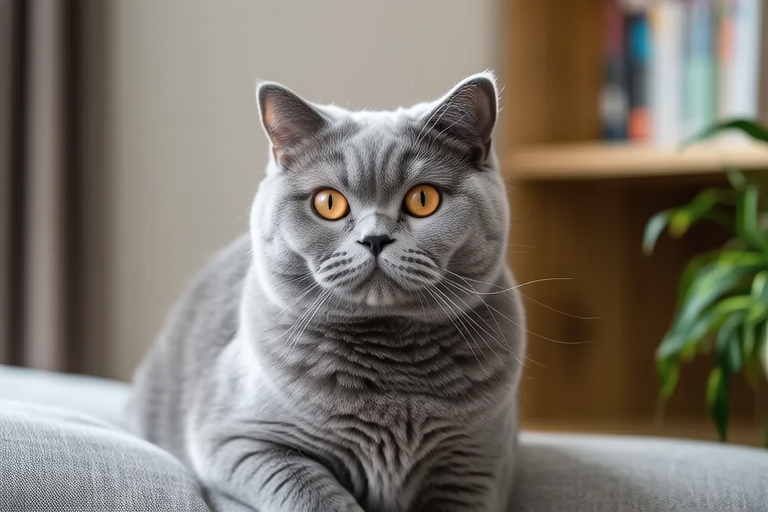
The British Shorthair Silver is a strikingly beautiful breed known for its plush, dense coat that shimmers with a silvery hue. This coat is short but exceptionally thick, giving them a robust, well-rounded appearance. Their large, round eyes often appear as pools of deep blue, further enhancing their captivating gaze. The breed’s face is characterized by a broad, rounded head with full cheeks and a snub nose, giving them an almost teddy bear-like quality.
British Shorthair Silvers come in various shades of silver, from the palest grey to a darker, smoky silver. Their coats can sometimes feature a tabby pattern, adding to their unique allure. The contrast between their soft fur and piercing blue eyes creates an irresistible combination that draws admirers from afar.
Gentle Temperament: A Perfect Companion
Beyond their stunning looks, British Shorthair Silvers are renowned for their calm and affectionate nature. They are generally laid-back cats, content to spend their days lounging around the house, but they also enjoy interactive playtime with their owners. Their temperament makes them excellent companions for families with children and other pets.
These cats are known for their patience and tolerance, making them ideal for households where there is constant activity. Despite their gentle demeanor, they are not overly demanding and prefer to be near their owners rather than on top of them. British Shorthair Silvers are equally comfortable being petted or left alone, making them adaptable to different lifestyles.
Historical Background: From the Streets to the Show Ring
The origins of the British Shorthair Silver can be traced back to ancient Britain, where these cats were valued for their hunting prowess. Over time, they evolved into the beloved pets we know today. The breed gained significant recognition in the late 19th century when they were first exhibited at cat shows in England.
British Shorthairs were among the founding members of the Cat Fanciers’ Association (CFA) registry in 1906, solidifying their place in the world of pedigree cats. Today, they continue to be popular show cats, admired for their classic good looks and dignified presence.
Care Requirements: Keeping Your Silver Cozy and Cool
Maintaining the health and beauty of your British Shorthair Silver requires some attention to their grooming and dietary needs. Their dense, plush coats require regular brushing to prevent matting and keep their fur looking its best. Weekly brushing sessions are recommended, especially during shedding seasons.
Dietary considerations are also important for ensuring your cat remains healthy and active. High-quality, protein-rich food is essential for maintaining muscle mass and overall vitality. It is advisable to consult with a veterinarian to determine the appropriate diet based on your cat’s age, weight, and activity level.
Common Health Issues: A Proactive Approach
Like all cat breeds, British Shorthair Silvers are susceptible to certain health conditions. Some of the common issues include:
- Polycystic Kidney Disease (PKD): This genetic disorder can lead to kidney failure and is more prevalent in certain breeds, including the British Shorthair.
- Obesity: Due to their sedentary nature, these cats can easily become overweight if not monitored. Regular exercise and a balanced diet are crucial to maintaining a healthy weight.
- Eye Problems: British Shorthairs are prone to eye infections and other ocular issues due to their prominent facial structure.
To ensure your cat stays healthy, regular veterinary check-ups are necessary. Early detection and treatment of any health issues can significantly improve your cat’s quality of life.
Tips for Potential Owners
If you’re considering adopting a British Shorthair Silver, here are some tips to help you provide the best care:
- Create a Comfortable Environment: Provide your cat with cozy spots to rest and relax. Soft bedding and scratching posts are must-haves.
- Interactive Play: Engage your cat in playtime to stimulate both their body and mind. Interactive toys and puzzles can be great for keeping them mentally sharp.
- Socialization: Introduce your cat to new people and environments gradually to ensure they remain confident and sociable.
- Regular Vet Visits: Schedule routine check-ups and vaccinations to maintain your cat’s health.
What Makes British Shorthair Silvers Particularly Appealing?
British Shorthair Silvers stand out from other cat breeds due to several unique qualities:
- Stunning Appearance: Their silvery coats and striking blue eyes make them visually captivating.
- Gentle Temperament: Their calm and affectionate nature makes them perfect for families and individuals alike.
- Adaptability: Whether living in a bustling household or a quiet apartment, these cats adapt well to their surroundings.
- History and Heritage: With roots tracing back centuries, owning a British Shorthair Silver is like having a piece of history in your home.
Conclusion: Embrace the Charm of British Shorthair Silvers
The British Shorthair Silver is a breed that combines elegance with ease, making it an ideal companion for those seeking a loving, low-maintenance pet. Their distinctive appearance, gentle temperament, and rich history set them apart from other cat breeds. By understanding their care requirements and common health issues, you can ensure that your British Shorthair Silver remains happy and healthy for years to come.
If you’re ready to welcome a British Shorthair Silver into your life, you’re in for a treat. These charming cats offer a unique blend of beauty, grace, and companionship that will enrich your home and heart. Happy adopting!
