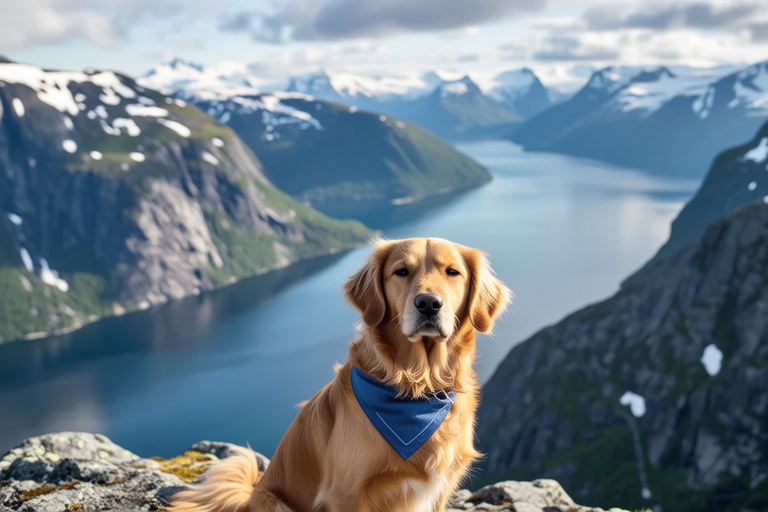
A Journey Through Norway: Must-Visit Pet-Friendly Destinations
For those who love both nature and their furry companions, Norway offers a paradise of pet-friendly destinations that cater to outdoor enthusiasts and their four-legged friends. From the rugged fjords to the serene mountains, this Scandinavian country provides ample opportunities for adventure and relaxation. This guide will highlight some of the most beautiful and pet-friendly locations in Norway, ensuring you and your pet have an unforgettable experience.
Oslo: A Capital City for Pet Lovers
The vibrant capital city of Oslo is not only a cultural hub but also a haven for pet owners. With numerous parks, green spaces, and walking trails, it’s easy to find spots where you can enjoy the city life alongside your dog. One of the best places to start is Vigeland Sculpture Park, where sculptures by Gustav Vigeland are scattered throughout lush gardens. The park allows dogs on leashes, providing a perfect setting for a leisurely stroll.
For those seeking more adventurous activities, Oslo has several hiking trails that are suitable for pets. The Ekebergparken offers panoramic views of the city and is a great place for a hike. Just remember to keep your pet on a leash and clean up after them. Additionally, there are pet-friendly cafes and restaurants scattered throughout the city, making it convenient to grab a bite while out with your pet.
When traveling with pets in Oslo, it’s important to be aware of the local regulations. Dogs must be kept on a leash at all times in public areas, and it’s mandatory to clean up after them. There are plenty of designated waste bags available at parks and other public spaces. Accommodation options range from pet-friendly hotels to cozy bed-and-breakfasts, ensuring you can find a comfortable stay for both you and your pet.
Gudbrandsdalen: A Valley of Natural Beauty
Nestled between two mountain ranges, Gudbrandsdalen is a picturesque valley that offers stunning landscapes and numerous opportunities for outdoor activities. The area is particularly popular for its skiing resorts, which are open year-round for hiking and snowshoeing. Many of these resorts offer pet-friendly cabins and lodges, making it easy to bring your pet along for the adventure.
One of the best places to visit in Gudbrandsdalen is Jotunheimen National Park, known for its towering peaks and pristine lakes. The park offers several hiking trails that are suitable for pets, allowing you to explore the wilderness together. Remember to follow the park’s rules regarding pets, such as keeping them on a leash and cleaning up after them.
Local pet services in Gudbrandsdalen include veterinary clinics, pet grooming services, and even pet-sitting options if you need someone to care for your pet while you’re out exploring. Accommodations range from rustic cabins to modern hotels, many of which are pet-friendly and offer amenities for both you and your pet.
Lofoten Islands: A Coastal Paradise
The Lofoten Islands are a group of islands off the north coast of Norway, known for their dramatic landscapes and crystal-clear waters. These islands offer a unique coastal experience that is perfect for pet owners looking for a relaxing getaway. The islands are home to numerous beaches, cliffs, and fishing villages, all of which are accessible with your pet.
One of the best ways to explore the Lofoten Islands is by hiking. There are several trails that offer breathtaking views of the sea and mountains, and many of these trails are pet-friendly. Just be sure to keep your pet on a leash and follow the park’s rules. The islands are also a great place for fishing, and you can take your pet along on a boat trip to see the seals and seabirds.
Accommodation options in the Lofoten Islands range from traditional Norwegian cabins to modern hotels, many of which are pet-friendly. Local pet services include veterinary clinics, pet grooming services, and even pet-friendly tour operators who can help you plan your trip. When traveling with pets in the Lofoten Islands, it’s important to be prepared for the weather, which can be unpredictable. Bring warm clothing and a sturdy leash for your pet.
Tromsø: Gateway to the Arctic
Tromsø is often referred to as the gateway to the Arctic due to its proximity to the Arctic Circle. This city is a great base for exploring the northern lights, whale watching, and other Arctic adventures. Tromsø is also a pet-friendly destination, with numerous parks, beaches, and walking trails that are suitable for pets.
One of the best ways to explore Tromsø is by taking a boat trip. Many boat tours offer pet-friendly options, allowing you to see the stunning fjords and wildlife from the water. The city also offers several hiking trails that are suitable for pets, including the Tromsøflaket trail, which offers panoramic views of the city and surrounding mountains.
Accommodation options in Tromsø range from budget-friendly hostels to luxury hotels, many of which are pet-friendly. Local pet services include veterinary clinics, pet grooming services, and even pet-friendly tour operators who can help you plan your trip. When traveling with pets in Tromsø, it’s important to be prepared for the cold weather. Bring warm clothing and a sturdy leash for your pet.
Bergen: A City of Fjords
Bergen is a city surrounded by fjords and mountains, offering a unique blend of urban and natural environments. This city is a great destination for pet owners looking for a mix of city life and outdoor adventures. Bergen has numerous parks, beaches, and walking trails that are suitable for pets, making it easy to find spots where you can enjoy the city life alongside your dog.
One of the best places to visit in Bergen is the Mount Fløyen, a mountain that offers panoramic views of the city and surrounding fjords. The mountain can be accessed by a funicular railway, which allows you to bring your pet along for the ride. Once at the top, you can enjoy a leisurely walk through the forested trails, taking in the stunning views.
Accommodation options in Bergen range from budget-friendly hostels to luxury hotels, many of which are pet-friendly. Local pet services include veterinary clinics, pet grooming services, and even pet-friendly tour operators who can help you plan your trip. When traveling with pets in Bergen, it’s important to be aware of the local regulations. Dogs must be kept on a leash at all times in public areas, and it’s mandatory to clean up after them.
Conclusion
Norway offers a wide variety of pet-friendly destinations that cater to outdoor enthusiasts and their four-legged friends. Whether you’re looking for a relaxing beach vacation or an adventurous hiking trip, there’s something for everyone in Norway. By following the local regulations and being prepared for the weather, you can ensure a safe and enjoyable trip for both you and your pet. So why not pack up your pet and explore the beauty of Norway?
