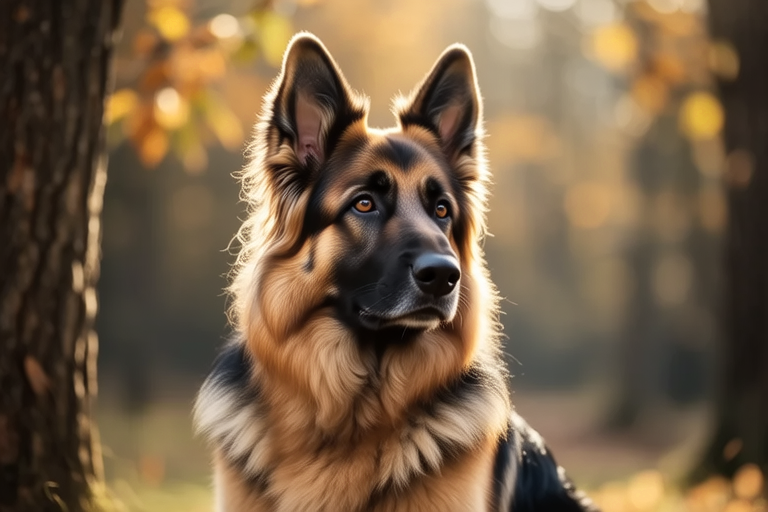
Top 10 Fun Facts About German Shepherds You Didn’t Know
Introduction:
German Shepherds are one of the most popular dog breeds in the world. Their striking appearance, loyalty, and intelligence have made them beloved pets, trusted working dogs, and formidable competitors in various canine sports. Originally bred for herding sheep, these dogs have evolved into versatile companions capable of performing tasks ranging from search and rescue to therapy work. This article delves into some lesser-known facts about German Shepherds that will surprise even the most seasoned dog lover.
1. The Birth of a Breed: Max von Stephanitz
The German Shepherd breed was officially established in 1899 by Captain Max von Stephanitz. He envisioned a dog that combined strength, agility, and intelligence. After observing a shepherd’s dog named Hektor Linksrhein at a dog show, he was so impressed by its qualities that he purchased it and renamed it Horand von Grafrath. This dog became the first registered German Shepherd and the foundation of the breed.
2. Versatile Working Dogs
German Shepherds are renowned for their ability to excel in various roles. They serve as police dogs, military dogs, search and rescue dogs, and even actors in movies and TV shows. Their adaptability stems from their strong sense of smell, excellent hearing, and high level of trainability. For instance, they can detect drugs, explosives, and even low blood sugar levels in humans.
3. The Most Popular Dog Breed
In many countries, including the United States, German Shepherds consistently rank among the top three most popular dog breeds. Their popularity is due to their loyal nature, protective instincts, and ability to form strong bonds with their families. These traits make them ideal family pets and reliable guardians.
4. The Power of Their Senses
German Shepherds possess an extraordinary sense of smell. Their noses contain approximately 220 million olfactory receptors, compared to around 5 million in humans. This heightened sense of smell allows them to detect scents that are imperceptible to us, making them invaluable in law enforcement and disaster recovery efforts.
5. Natural Herders
Despite their current roles as working dogs and pets, German Shepherds retain their herding instincts. They have a natural tendency to move livestock and can be trained to herd sheep, cattle, and other animals. This instinctive behavior is why they were originally bred; their ability to control the movement of large groups of animals without harming them is remarkable.
6. The Role of Genetics
The physical characteristics of German Shepherds, such as their erect ears and bushy tails, are maintained through selective breeding. However, genetic diversity within the breed has been a concern for decades. To preserve the health and vitality of the breed, responsible breeding practices are crucial. Organizations like the American Kennel Club (AKC) provide guidelines to help breeders maintain genetic diversity.
7. The Intelligence Factor
Ranked third on Stanley Coren’s list of the most intelligent dog breeds, German Shepherds are quick learners and can understand new commands after only five repetitions. Their intelligence extends beyond obedience training; they can solve problems, learn tricks, and even assist in therapy sessions. Their cognitive abilities make them highly trainable and adaptable.
8. A Lifespan of 9 to 13 Years
Like all living creatures, German Shepherds have a limited lifespan. On average, they live between nine and thirteen years. Proper nutrition, regular exercise, and routine veterinary care can extend their life expectancy. Early detection and treatment of common health issues, such as hip dysplasia and degenerative myelopathy, are also crucial for maintaining their health.
9. The Art of Agility
German Shepherds are not just intelligent; they are also athletic. Their muscular build and strong legs make them excellent candidates for agility competitions. These events test their speed, coordination, and obedience, challenging both the dog and handler. Participating in agility can be a rewarding way for owners to bond with their dogs while keeping them physically and mentally stimulated.
10. The Importance of Socialization
While German Shepherds are known for their protective nature, early socialization is essential for developing well-rounded, friendly dogs. Exposing puppies to different environments, people, and other animals helps them become confident and comfortable in various situations. Well-socialized German Shepherds are less likely to exhibit aggression or fearfulness, making them better suited for family life and working roles.
Conclusion:
German Shepherds are more than just beautiful, intelligent dogs; they are versatile companions capable of adapting to a wide range of roles. From herding sheep to saving lives, these dogs have proven their worth time and again. Their loyalty, intelligence, and strong work ethic make them ideal partners for those seeking a dedicated and loving pet. Whether you’re considering adopting a German Shepherd or simply admire their unique qualities, there’s no denying the special place they hold in the hearts of dog enthusiasts worldwide.
