Siamese Cats: A Comprehensive Guide
Introduction:
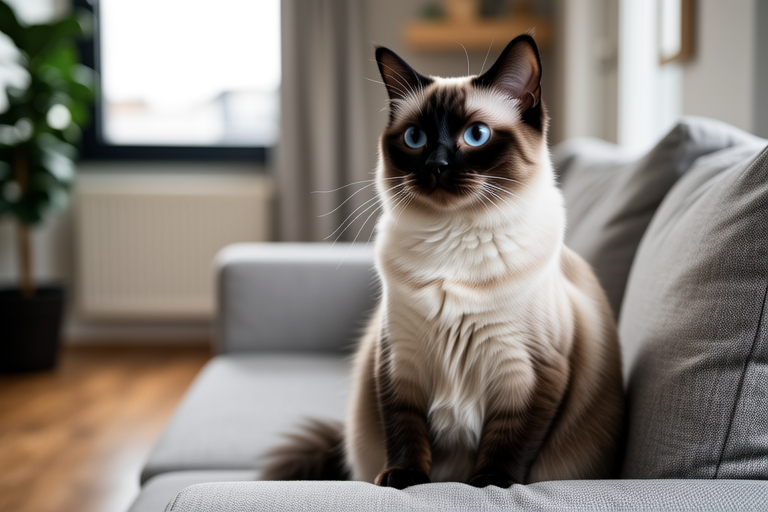
Welcome to the fascinating world of Siamese cats! Renowned for their striking blue almond-shaped eyes, sleek coat, and distinctive vocalizations, these felines have captivated hearts for centuries. Their intelligence, social nature, and unique personalities make them exceptional companions. This article delves into the history, physical traits, behavior, and care of Siamese cats, providing valuable insights for potential owners.
Historical Background
The Siamese cat traces its origins back to Thailand, formerly known as Siam, where it was revered as a sacred creature. These cats were often kept in royal palaces and temples, believed to bring good fortune and protection. The first Siamese cats arrived in Europe and North America in the late 19th century, quickly gaining popularity due to their exotic appearance and charming demeanor. Over time, they have evolved into distinct varieties, including traditional and modern Siamese breeds.
Physical Traits
Siamese cats are easily recognizable by their short, fine coats, which come in four main colors: seal point, chocolate point, blue point, and lilac point. Their bodies are medium-sized, muscular, and graceful, with long tails and slender legs. One of their most striking features is their large, expressive blue eyes, which add to their captivating appearance. Despite their delicate looks, Siamese cats are robust and agile, capable of acrobatic feats.
Distinctive Vocalizations and Intelligence
Siamese cats are renowned for their vocalizations, often described as “talking” or “meowing.” They communicate frequently and can be quite demanding when seeking attention or expressing dissatisfaction. Their intelligence sets them apart; they are quick learners, often mastering tricks and commands. This combination of vocalization and intelligence makes them highly interactive and entertaining companions.
Social Behaviors
Siamese cats thrive on social interaction and form strong bonds with their human families. They enjoy being part of daily activities and may follow their owners from room to room. Their affectionate nature extends beyond humans; they often get along well with other pets. However, some Siamese cats may exhibit territorial behavior, particularly around food and toys. Early socialization and positive reinforcement training can help manage such tendencies.
Health Concerns
Siamese cats are generally healthy, but like all breeds, they are prone to certain genetic conditions. Progressive retinal atrophy (PRA), a degenerative eye disease, is one concern. Other issues include dental problems, heart murmurs, and respiratory infections. Regular veterinary check-ups and a balanced diet can help maintain their health. Additionally, Siamese cats are more susceptible to obesity, so monitoring their weight and providing ample exercise opportunities are crucial.
Dietary Needs
A balanced diet is essential for maintaining a Siamese cat’s health. High-quality commercial cat foods, either dry or wet, provide the necessary nutrients. Fresh water should always be available. Avoid feeding them table scraps or excessive treats, as these can lead to weight gain. Consult your veterinarian for personalized dietary recommendations based on your cat’s age, weight, and activity level.
Grooming Tips
Siamese cats’ short coats require minimal grooming, but regular brushing helps remove loose hair and distribute natural oils. Bathe them occasionally, using a mild cat shampoo. Keep their nails trimmed to prevent overgrowth and scratching damage. Regular dental care, including brushing their teeth and providing dental treats, promotes oral hygiene. Cleaning their ears and trimming their whiskers, if necessary, also contributes to overall grooming.
Interacting Effectively with Siamese Cats
To enhance communication and strengthen the bond with your Siamese cat, engage in interactive play sessions using toys that stimulate their minds and bodies. Provide puzzle feeders to encourage problem-solving and reward them with treats for positive behavior. Establish routines that include playtime, cuddling, and grooming to foster trust and companionship. Be patient and consistent in your interactions, allowing your cat to approach you at their own pace.
Examples of Interactions
Owners often share stories of their Siamese cats’ unique behaviors. One owner recounts how their cat, named Luna, would greet them at the door each morning, meowing until they acknowledged her presence. Another owner describes their cat, Oliver, who enjoys playing fetch and will retrieve small objects on command. These anecdotes illustrate the deep connections formed between Siamese cats and their owners.
Advice for Potential Owners
Adopting a Siamese cat can be a rewarding experience. Their intelligence, social nature, and communicative abilities make them delightful companions. However, prospective owners should be prepared for their high energy levels and vocal demands. Ensure you have the time and resources to meet their needs, including mental stimulation, social interaction, and proper care. By understanding and addressing their specific requirements, you can provide a loving and enriching environment for your Siamese cat.
Siamese cats offer a unique and enriching experience for those willing to embrace their quirks and charms. With proper care, socialization, and attention, these special felines can become cherished members of any family. Embrace the joy and challenges of living with a Siamese cat, and you’ll find yourself enriched by their presence.
