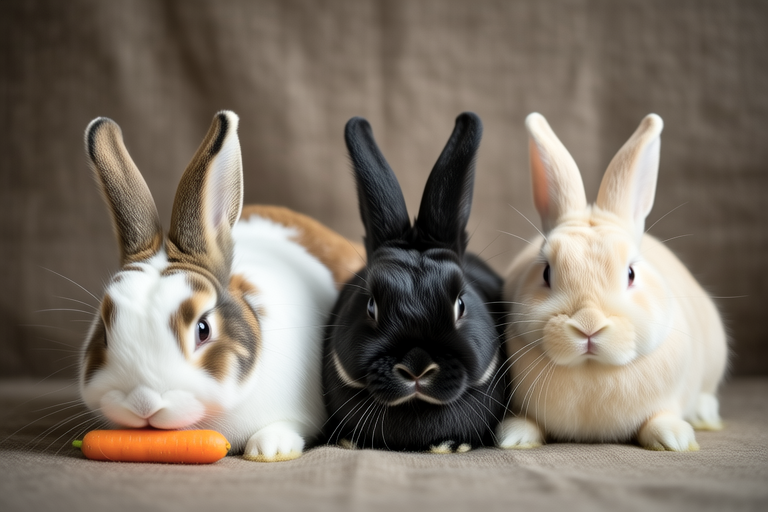
Meet the Gentle Giants of the Rabbit World: Why Lop Rabbits Charm Us All
Welcome to the enchanting world of lop rabbits, where floppy ears and gentle spirits come together to create some of the most beloved pets around. These rabbits, known for their distinctive drooping ears, have captured the hearts of many with their unique appearance and endearing personalities. In this article, we will explore the fascinating world of lop rabbits, delving into their diverse breeds, care requirements, and the special bonds they form with their human companions.
The Unique Physical Characteristics of Lop Rabbits
Lop rabbits are instantly recognizable by their signature feature: their floppy ears. These ears, which hang down naturally, give them a distinct and adorable appearance. The length and shape of the ears can vary depending on the breed, but all lop rabbits share this characteristic that makes them stand out among other rabbit breeds. Their large, expressive eyes add to their charm, often reflecting curiosity and intelligence.
Besides their floppy ears, lop rabbits also come in a variety of sizes and colors. They range from small breeds like the Miniature Lop, which typically weighs between 3 to 4 pounds, to larger breeds like the Giant Lop, which can weigh up to 14 pounds. This diversity in size allows potential owners to choose a lop rabbit that best fits their living space and lifestyle.
Diverse Breeds Within the Lop Rabbit Family
The lop rabbit family comprises several distinct breeds, each with its own unique traits and characteristics. Here’s a closer look at some of the most popular breeds:
English Lop
The English Lop is the largest of the lop rabbit breeds, weighing up to 14 pounds. Known for their long, pendulous ears that can reach up to 20 inches in length, these rabbits are a sight to behold. Despite their impressive size, English Lops are gentle and docile, making them great companions for those who have the space and resources to accommodate their size. They require plenty of room to move around and are best suited for experienced rabbit owners.
Miniature Lop
The Miniature Lop, on the other hand, is much smaller, typically weighing between 3 to 4 pounds. These compact rabbits are perfect for those with limited space or first-time rabbit owners. Their small size does not detract from their charm; they are just as affectionate and playful as their larger counterparts. Miniature Lops are known for their friendly demeanor and adaptability, making them ideal pets for families with children.
French Lop
The French Lop is a medium-sized breed, weighing between 9 to 13 pounds. They are known for their robust build and short, dense fur. French Lops are highly intelligent and trainable, making them excellent candidates for agility training and other interactive activities. Their calm and gentle nature makes them easy to handle, and they are often described as being more cat-like in their behavior, enjoying the company of their owners and seeking attention.
Care Requirements and Health Considerations
Proper care is essential for ensuring the health and happiness of any pet, and lop rabbits are no exception. Their care requirements include providing a safe, spacious environment, a balanced diet, and regular veterinary check-ups.
Lop rabbits need a well-ventilated, secure hutch that provides ample space for movement and rest. Indoor housing can be beneficial for smaller breeds, especially in colder climates, as it protects them from extreme temperatures and predators. A comfortable bedding material, such as straw or hay, should be provided to ensure their comfort. Regular cleaning of the hutch is crucial to prevent the buildup of bacteria and odors.
When it comes to diet, lop rabbits thrive on a diet rich in hay, fresh vegetables, and a small amount of pellets. Timothy hay is particularly recommended due to its high fiber content, which aids in digestion. Fresh water should always be available. It’s important to introduce new foods gradually to avoid digestive issues.
Veterinary care is vital for the overall health of your lop rabbit. Regular check-ups can help catch potential health issues early. Common health concerns for lop rabbits include dental problems, respiratory infections, and obesity. Providing a proper diet and ensuring they have enough exercise can help mitigate these risks.
The Charming Nature of Lop Rabbits
One of the reasons lop rabbits are so beloved is their gentle and affectionate nature. They are known for their calm demeanor and willingness to bond with their human companions. Many owners describe their lop rabbits as being incredibly responsive to human interaction, often seeking out affection and attention.
Lop rabbits are highly social animals and enjoy spending time with their owners. They can be trained to respond to commands and even learn simple tricks, which strengthens the bond between owner and pet. Their playful yet gentle nature makes them a joy to interact with, whether it’s through playtime or simply sitting close to their human companion.
Anecdotes and Testimonials from Owners
To truly understand the special bond one can share with a lop rabbit, let’s hear from some of their devoted owners:
“My English Lop, Max, has been my constant companion for years. His big, floppy ears and calm demeanor make him a delight to be around. He loves to sit by me while I read or watch TV, and his presence brings a sense of peace to my home.”
“Our Miniature Lop, Bella, is the perfect addition to our family. She is so gentle and loving, especially with our young children. She enjoys playing with toys and loves to be petted. We’ve never had a pet quite like her.”
These testimonials highlight the unique relationship that can develop between a lop rabbit and their human family. Whether it’s the calming presence of a large English Lop or the playful antics of a Miniature Lop, these rabbits bring joy and companionship to their owners.
Conclusion
Lop rabbits are truly the gentle giants of the rabbit world, combining their distinctive appearance with a kind and affectionate nature. With their diverse breeds, ranging from the large and majestic English Lop to the small and adaptable Miniature Lop, there is a lop rabbit to suit every lifestyle. By providing proper care, attention, and love, these rabbits can become cherished members of any household.
Whether you’re a seasoned rabbit enthusiast or considering adding a lop rabbit to your family for the first time, these gentle giants are sure to win your heart. Their charm, intelligence, and capacity for forming strong bonds with humans make them exceptional pets. So, why not meet the gentle giants of the rabbit world and see for yourself why lop rabbits charm us all?
