7 Unique Traits That Make Schnauzers Stand Out from Other Breeds
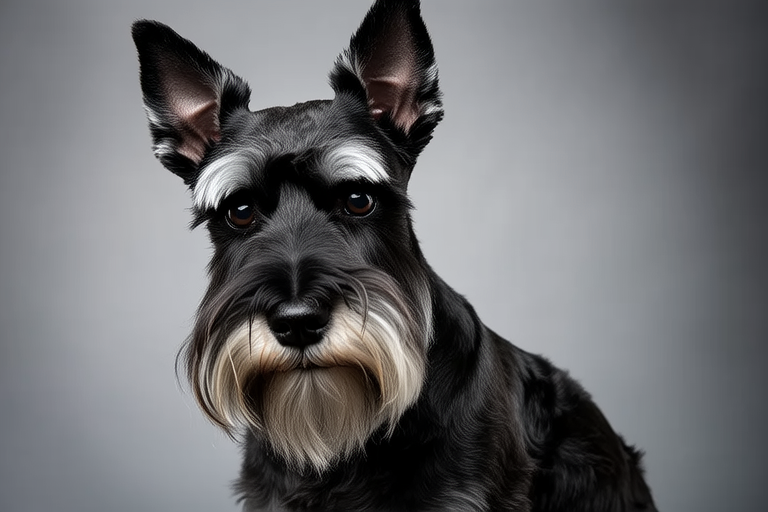
Schnauzers are a breed of dog that have captured the hearts of many dog lovers with their distinct appearance and charming personalities. These dogs are known for their bold and confident demeanor, which is reflected in their striking facial hair and bushy eyebrows. They come in three sizes – standard, miniature, and giant – each with its own unique set of traits. In this article, we will explore seven unique traits that make schnauzers stand out from other breeds.
Grooming Needs
One of the most notable traits of schnauzers is their grooming needs. Their wiry coats require regular maintenance to keep them looking neat and tidy. Unlike other breeds with soft, fluffy fur, schnauzers have a harsh outer coat that can become tangled and matted if not properly cared for. This means that they need to be brushed at least once a week to prevent matting and tangling. Additionally, schnauzers require professional grooming every six to eight weeks to maintain their signature look.
Their grooming routine also includes trimming their whiskers, eyebrows, and beard. This may seem like an unnecessary step, but it helps to keep their face clean and free of debris. It also gives them a more polished and well-groomed appearance. Another important aspect of schnauzer grooming is bathing. They should be bathed every four to six weeks to keep their skin healthy and their coat shiny. However, it’s important to note that schnauzers are prone to skin allergies, so it’s essential to use hypoallergenic shampoo and avoid over-bathing them.
Despite the time and effort required for grooming, many schnauzer owners find it rewarding. The process allows them to bond with their dogs and ensures that their pets remain healthy and comfortable. It’s also an opportunity to show off their dogs’ unique appearance and build a sense of pride in their ownership.
Temperament
Schnauzers are known for their bold and confident personalities, which makes them excellent watchdogs. They are highly alert and will bark to alert their owners of any unusual activity or visitors. This trait makes them ideal for homes where security is a priority. However, it’s important to note that schnauzers can be territorial and may become aggressive if they feel threatened. Therefore, early socialization and training are crucial to ensure that they grow up to be well-behaved and friendly dogs.
In addition to being protective, schnauzers are loyal and affectionate towards their families. They form strong bonds with their owners and enjoy spending time with them. They are also good with children and can be gentle playmates. However, it’s important to supervise interactions between schnauzers and young children to prevent accidents. Schnauzers are also known for their playful and energetic nature. They love to play fetch and participate in agility training, making them great companions for active families.
Overall, schnauzers have a balanced temperament that makes them excellent family pets. They are intelligent, trainable, and loyal, which makes them easy to care for and enjoyable to be around. Their bold and confident personality also makes them stand out from other breeds, as they are not afraid to take charge and protect their families.
Intelligence
Schnauzers are one of the smartest dog breeds, ranking among the top ten on the list of most intelligent dogs. Their intelligence is evident in their ability to learn new commands quickly and retain information for long periods. This makes them easy to train and capable of performing complex tasks. Schnauzers excel in obedience training and are often used as working dogs in various fields, including search and rescue, therapy, and police work.
However, their intelligence also means that they can become bored easily if they are not given enough mental stimulation. This can lead to destructive behavior, such as chewing or digging. To prevent this, it’s important to provide schnauzers with plenty of mental and physical exercise. Puzzle toys, agility courses, and obedience training are all great ways to keep schnauzers mentally stimulated and engaged.
Overall, schnauzers’ intelligence makes them excellent companions for people who are willing to invest time and effort into training and socializing their dogs. Their ability to learn quickly and perform complex tasks makes them versatile and adaptable, which is why they are often used in various fields of work.
Adaptability
Schnauzers are highly adaptable dogs that can thrive in a variety of environments. Whether living in a small apartment or a large house with a yard, schnauzers can adjust to different living situations. They are also adaptable to different climates, making them suitable for both hot and cold weather. However, it’s important to note that schnauzers are indoor dogs and should not be left outside for extended periods.
Schnauzers are also adaptable to different types of families. They are good with children, other pets, and even elderly individuals. However, early socialization and training are essential to ensure that they get along well with others. Schnauzers are also adaptable to different routines and schedules. They are not high-maintenance dogs and can adjust to changes in their environment with ease.
Overall, schnauzers’ adaptability makes them versatile and suitable for a wide range of households. Their ability to adjust to different environments, climates, and routines makes them ideal for people who are looking for a dog that can fit into their lifestyle.
Health Traits
Schnauzers are generally healthy dogs, but they are prone to certain health issues that owners should be aware of. One of the most common health problems in schnauzers is urinary stones. These stones can cause blockages in the urinary tract, leading to pain and discomfort. Owners should monitor their schnauzers for signs of urinary issues, such as frequent urination, difficulty urinating, or blood in the urine. If any of these symptoms are present, it’s important to seek veterinary care immediately.
Another health issue that schnauzers are prone to is pancreatitis. This condition occurs when the pancreas becomes inflamed, leading to digestive problems. Symptoms of pancreatitis include vomiting, diarrhea, and loss of appetite. Schnauzers are also prone to diabetes, a condition that affects their ability to regulate blood sugar levels. Owners should monitor their schnauzers’ weight and diet to prevent obesity, which is a risk factor for diabetes.
Despite these health issues, schnauzers are generally healthy dogs that can live long, happy lives with proper care. Regular check-ups with a veterinarian and a healthy diet are essential to maintaining their overall health and well-being. It’s also important to provide schnauzers with plenty of exercise and mental stimulation to keep them physically and mentally healthy.
Energy Levels
Schnauzers are energetic dogs that require plenty of exercise to stay healthy and happy. They are known for their playful and active nature, and they love to run, jump, and play. Schnauzers are particularly fond of outdoor activities, such as hiking, running, and playing fetch. They also enjoy agility training and obstacle courses, which provide both physical and mental stimulation.
It’s important to note that schnauzers are not couch potatoes. They need regular exercise to burn off excess energy and prevent boredom. Without adequate exercise, schnauzers can become restless and destructive. Therefore, it’s essential to provide them with plenty of opportunities for physical activity. A daily walk or two is usually sufficient to meet their exercise needs, but they may require more if they are particularly energetic.
Overall, schnauzers’ high energy levels make them ideal companions for active individuals and families. Their playful and energetic nature keeps them engaged and entertained, which is why they are often used in agility training and other dog sports. However, it’s important to provide them with adequate exercise to prevent restlessness and destructive behavior.
Unique Physical Features
Schnauzers are known for their unique physical features, which make them stand out from other breeds. One of their most distinctive features is their wiry coat, which requires regular grooming to maintain. Another unique feature is their bushy eyebrows, which give them a distinguished and intelligent appearance. Schnauzers also have a prominent beard, which adds to their rugged and adventurous look.
Another physical feature that sets schnauzers apart is their rectangular-shaped body. They have a muscular build that gives them strength and agility. Their heads are square-shaped, with a broad forehead and a strong jawline. Schnauzers also have a distinctive nose, which is black and slightly arched. Their eyes are small, oval-shaped, and dark brown, giving them a sharp and alert expression.
Overall, schnauzers’ unique physical features make them stand out from other breeds. Their wiry coat, bushy eyebrows, and prominent beard give them a distinctive and memorable appearance. Their rectangular-shaped body and square-shaped head add to their rugged and adventurous look, making them one of the most recognizable dog breeds.
Conclusion
Schnauzers are a breed of dog that stand out from other breeds due to their unique combination of grooming needs, temperament, intelligence, adaptability, health traits, energy levels, and physical features. Their bold and confident personality, coupled with their intelligence and loyalty, makes them excellent family pets and working dogs. Their distinctive appearance, which includes their wiry coat, bushy eyebrows, and prominent beard, also makes them one of the most recognizable dog breeds.
If you’re considering adopting a schnauzer, it’s important to be prepared for their grooming needs and high energy levels. However, with proper care and attention, schnauzers can be loyal and loving companions that bring joy and happiness to your life. They are truly one-of-a-kind dogs that are sure to capture your heart.
