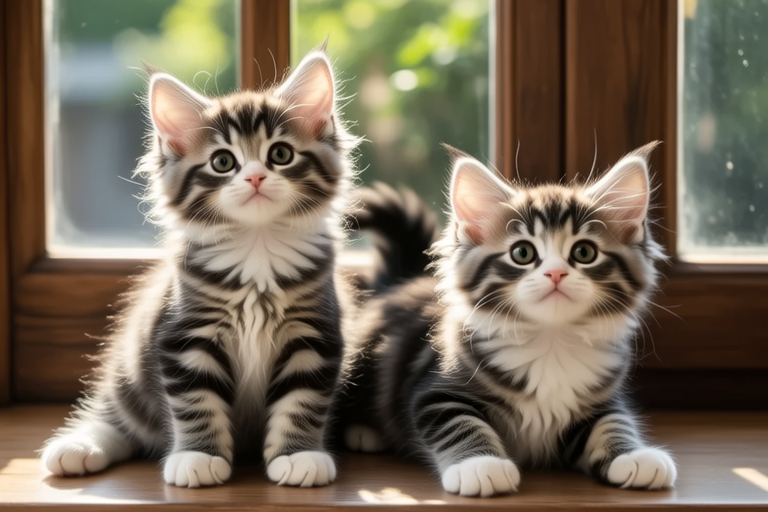
Why These Tiny Terrors Are the Cutest Pets You’ll Ever Have
Welcome to the world of tiny terrors – those adorable, often mischievous creatures that can bring endless joy and laughter into your life. From hamsters and guinea pigs to chinchillas and degus, small pets have a unique charm that captivates hearts. In this article, we explore why these pint-sized animals make the best companions and what it takes to keep them happy and healthy.
The Charm of Hamsters
Hamsters are one of the most popular small pets, known for their cute, chubby cheeks and nocturnal habits. They’re easy to care for, requiring a spacious cage with bedding, toys, and a running wheel. Their burrowing nature means they enjoy digging in their bedding, creating cozy nests. One owner, Sarah, shared her experience: “My hamster, Whiskers, loves to dig tunnels under his bedding. It’s so cute watching him explore his little world.”
Hamsters are solitary creatures, preferring to live alone. This makes them ideal for individuals who may not have time for more demanding pets. However, they require regular interaction and mental stimulation to prevent boredom and stress. Providing them with new toys and changing their environment regularly keeps them entertained.
Guinea Pigs: The Social Butterflies
Guinea pigs, also known as cavies, are social animals that thrive in pairs or groups. They’re gentle, vocal pets that enjoy human company. Guinea pigs need a large cage with plenty of space to move around and play. Their diet consists mainly of hay, fresh vegetables, and pellets. Regular grooming is necessary to maintain their long fur.
One owner, Mark, said, “My guinea pigs, Peanut and Butter, are always ready to play. They love to roll around in the grass and squeak at each other. It’s heartwarming to see them interact.”
Despite their charming personalities, guinea pigs require commitment. They need daily attention, regular health check-ups, and a balanced diet to stay healthy. Ensuring they have a companion of the same species helps alleviate loneliness.
Chinchillas: The Furry Ball of Joy
Chinchillas are unique pets with dense, soft fur that requires special care. They need dust baths to clean themselves, as water can damage their fur. Chinchillas are active and curious, enjoying climbing and exploring. They require a large cage with multiple levels and toys.
Owner Emily shared, “My chinchilla, Charlie, is always up for a game. He loves to jump from level to level in his cage and play with his favorite toy, a bell. Watching him leap is like watching a tiny acrobat perform.”
Chinchillas are sensitive to heat and loud noises, so they need a cool, quiet environment. Providing them with a variety of toys and activities keeps them mentally stimulated and prevents destructive behavior.
Degus: The Little Explorers
Degus are small rodents native to Chile. They’re highly social and intelligent, enjoying interacting with their owners. Degus are diurnal, meaning they’re active during the day, making them perfect for families. They require a spacious cage with multiple levels and toys. Their diet includes hay, pellets, and fresh vegetables.
Owner John mentioned, “My degu, Dusty, is always curious about everything. He loves to explore new areas of his cage and play with his tunnel system. It’s amazing how much fun he has with simple things.”
Like other small pets, degus need regular attention and mental stimulation. Providing them with puzzles and toys keeps them engaged and prevents boredom. Degus are social animals, so they benefit from having a companion.
The Rewards of Caring for Tiny Terrors
Owning a small pet brings many rewards. These animals offer companionship, entertainment, and a sense of responsibility. They teach us about empathy, patience, and the importance of routine. Many owners find that the challenges of caring for these tiny terrors are outweighed by the joy they bring into their lives.
It’s essential to understand the responsibilities of pet ownership before bringing a small animal into your home. Research the specific needs of your chosen pet, prepare adequately, and commit to providing them with a loving, stimulating environment. With proper care and attention, these tiny terrors will become cherished members of your family.
Conclusion
From hamsters to chinchillas, small pets come in all shapes and sizes, each with its unique charm and quirks. While they may be tiny, these creatures can be a big part of your life, offering companionship, entertainment, and unconditional love. By understanding their needs and dedicating yourself to their care, you can ensure they lead happy, healthy lives. Embrace the tiny terrors, and let them fill your home with joy and laughter.
