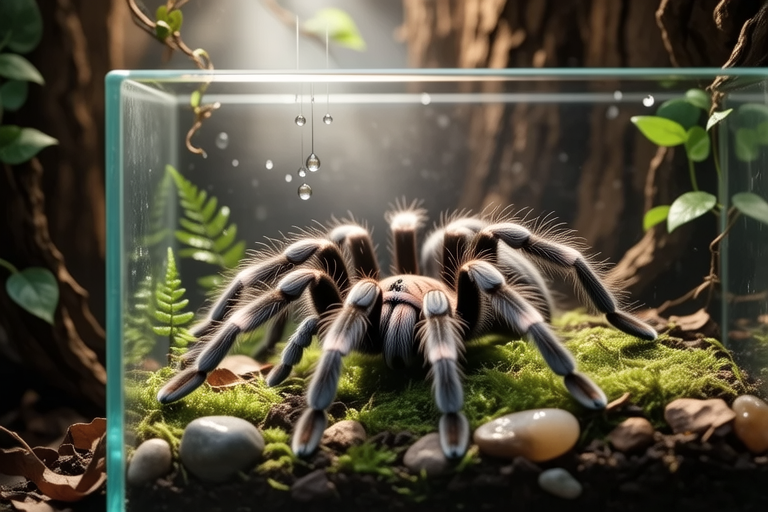
Tarantula Terrariums: How to Create the Perfect Habitat for Your Spider
Welcome to the world of tarantulas! These fascinating creatures come in various sizes and colors, each with unique care requirements. Setting up the perfect habitat for your tarantula is crucial for its health and well-being. This comprehensive guide will walk you through the steps to create an ideal tarantula terrarium.
Selecting the Right Terrarium Size
The first step in creating a suitable habitat for your tarantula is choosing the right terrarium size. The terrarium’s size depends on the species of tarantula you have. Smaller tarantulas, such as the Chilean rose tarantula, require smaller terrariums, while larger species, like the Goliath birdeater, need more space.
- Small Tarantulas: 5-10 gallons (19-38 liters)
- Medium Tarantulas: 10-20 gallons (38-76 liters)
- Larger Tarantulas: 20+ gallons (76+ liters)
Remember that a spacious terrarium allows your tarantula to move around comfortably and exercise its legs. Always check the specific care requirements for your tarantula species to determine the best terrarium size.
Necessary Substrate Types and Depth
The substrate serves as bedding for your tarantula and plays a vital role in maintaining proper humidity levels. Different substrates work better for different species. Here are some popular choices:
- Newspaper: Easy to clean and provides good humidity control.
- Coco Fiber: Retains moisture well and mimics natural environments.
- Eco Earth: Provides excellent humidity retention and is safe for burrowing.
- Bed-a-Beast: Made from coconut husks, this substrate is ideal for humid-loving species.
The depth of the substrate also varies depending on the species. For example, burrowing species like the Mexican redknee tarantula require deeper substrates (4-6 inches) than those that prefer climbing, like the pink toe tarantula.
Optimal Temperature and Humidity Levels
Temperature and humidity are critical factors in maintaining a healthy tarantula habitat. Most tarantulas thrive in temperatures between 75-85°F (24-29°C). Use a digital thermometer to monitor the temperature inside the terrarium.
Humidity levels depend on the species. Burrowing species generally require higher humidity (70-80%), while desert species prefer lower humidity (30-50%). You can achieve the desired humidity levels by misting the substrate or using a water dish.
To maintain these levels, place a hygrometer in the terrarium to measure humidity. Adjust the misting frequency or water dish size as needed. Avoid sudden changes in temperature and humidity, as they can stress your tarantula.
Recommended Hiding Spots and Decorations
Tarantulas are shy creatures that need hiding spots to feel secure. Providing multiple hiding spots encourages natural behaviors and reduces stress. Suitable hiding spots include:
- Bark: Real or artificial bark pieces offer a natural look and provide secure hiding spots.
- Vine Tunnels: These tunnels create cozy hideaways for your tarantula.
- PVC Pipes: PVC pipes are inexpensive and easy to clean, making them ideal hiding spots.
In addition to hiding spots, consider adding decorations to make the terrarium more visually appealing. Plants, rocks, and driftwood can enhance the terrarium’s appearance and provide additional climbing opportunities. However, ensure that all decorations are secure and won’t tip over, potentially injuring your tarantula.
Ventilation Needs
Adequate ventilation is essential for preventing mold growth and ensuring fresh air circulation. Proper ventilation helps maintain stable temperature and humidity levels. To achieve this, use a screen top on your terrarium or drill small holes in the enclosure. Be cautious not to over-ventilate, as it can lead to excessive heat loss or humidity drop.
Dietary Requirements Within the Habitat
Feeding your tarantula in the terrarium is straightforward. Offer appropriately sized prey items, such as crickets, mealworms, or dubia roaches, depending on the species. Feed your tarantula once or twice a week, adjusting the frequency based on its appetite and activity level.
Ensure that the prey items are no wider than half the width of your tarantula’s carapace. Place the prey in the terrarium and allow your tarantula to hunt naturally. Remove any uneaten prey after 24 hours to prevent contamination.
Common Mistakes to Avoid When Setting Up a Tarantula Terrarium
Setting up a tarantula terrarium requires attention to detail. Here are some common mistakes to avoid:
- Incorrect Substrate: Using inappropriate substrates can lead to health issues. Always choose substrates suitable for your tarantula species.
- Improper Temperature and Humidity: Sudden changes in temperature and humidity can stress your tarantula. Monitor these conditions regularly.
- Unsafe Hiding Spots: Unstable or poorly secured hiding spots can cause injury. Ensure that all decorations are secure and won’t tip over.
- Overcrowding: Overcrowded terrariums can lead to stress and competition for resources. Provide ample space for your tarantula to move around comfortably.
Regular Maintenance and Cleaning Schedules
Maintaining a clean and healthy terrarium is essential for your tarantula’s well-being. Here’s a recommended cleaning schedule:
- Weekly: Remove uneaten prey and any dead insects. Clean the water dish and refill it with fresh water.
- Monthly: Replace the substrate if it becomes soiled or damp. Thoroughly clean the terrarium and decorations with a mild disinfectant solution, rinsing thoroughly before replacing the substrate.
- Seasonally: Check the terrarium’s ventilation and adjust as needed. Inspect the terrarium for signs of wear and tear, addressing any issues promptly.
By following this guide, you’ll create a comfortable and stimulating environment for your tarantula. Remember that every tarantula is unique, so observe your pet closely and adjust its habitat as needed. With proper care and attention, your tarantula will thrive in its new home.
