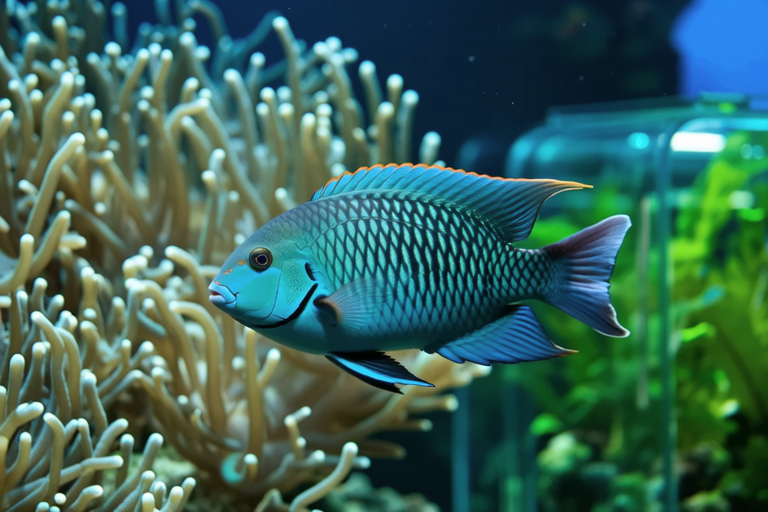
From Coral Reefs to Tanks: A Journey with Parrot Fish
The Vibrant World of Coral Reefs
Coral reefs, often referred to as the rainforests of the sea, are some of the most diverse and complex ecosystems on Earth. Covering less than one percent of the ocean floor, they support about 25% of all known marine life. These underwater cities are not only visually stunning but also incredibly vital to the health of our oceans and the planet as a whole. The intricate relationship between corals and the myriad of organisms that call these reefs home creates a delicate balance that is essential for the survival of many species.
Among the many inhabitants of coral reefs, parrot fish stand out with their striking colors and unique behaviors. Known scientifically as Scaridae, parrot fish are found primarily in tropical and subtropical waters around the world. Their name comes from their beak-like mouths, which they use to scrape algae off coral rocks and other hard surfaces. This feeding behavior plays a crucial role in maintaining the health of coral reefs by controlling the growth of algae and helping to recycle nutrients back into the reef environment.
Unique Physical Characteristics and Behaviors
Parrot fish are easily recognizable due to their vibrant colors and distinct physical features. Many species exhibit bright hues of blue, green, yellow, and red, making them a favorite among divers and snorkelers. Their beak-like mouths, equipped with rows of strong teeth, allow them to effectively graze on algae-covered rocks and coral. Some species even have specialized pharyngeal teeth that help grind up the calcium carbonate from coral skeletons, contributing to the creation of sand on tropical beaches.
In addition to their striking appearance, parrot fish have fascinating behaviors. They are known to sleep in a cocoon of mucus, secreted from a gland near their gills. This mucus cocoon acts as a barrier against parasites and predators while they rest. Another intriguing behavior is their ability to change sex, a phenomenon known as sequential hermaphroditism. Most parrot fish start their lives as females and later transition into males, a strategy that ensures genetic diversity within their populations.
Dietary Habits in Natural Habitat
The diet of parrot fish is primarily composed of algae, which they consume using their beak-like mouths and pharyngeal teeth. However, their diet can vary depending on the species and the availability of food sources. Some species also feed on small invertebrates, plankton, and detritus. Their grazing activities not only provide them with sustenance but also play a critical role in maintaining the health of coral reefs by preventing the overgrowth of algae that could otherwise smother the corals.
Parrot fish contribute significantly to the recycling of nutrients within the reef ecosystem. By consuming algae and grinding up coral, they release minerals like calcium and phosphorus back into the water, which are then utilized by other organisms. This process helps to maintain the balance of the reef ecosystem and supports the overall health of the marine environment.
The Challenges of Keeping Parrot Fish in Home Aquariums
While the vibrant and fascinating nature of parrot fish makes them popular choices for home aquariums, keeping these creatures requires careful consideration and preparation. One of the primary challenges is providing an appropriate tank size. Parrot fish can grow quite large, with some species reaching lengths of up to 4 feet. Therefore, it is essential to have a sufficiently spacious tank that allows them to swim comfortably and exhibit their natural behaviors.
Water quality is another critical factor when keeping parrot fish. These fish are sensitive to changes in water parameters, so maintaining stable conditions is paramount. Regular water testing and frequent partial water changes are necessary to ensure optimal water quality. Additionally, parrot fish require specific pH levels, salinity, and temperature ranges, which must be carefully monitored and maintained.
Feeding parrot fish in captivity can be challenging as well. While they primarily eat algae in the wild, replicating their natural diet in a home aquarium can be difficult. Providing a balanced diet that includes algae wafers, spirulina flakes, and occasional treats like frozen or live foods can help meet their nutritional needs. It’s important to avoid overfeeding, as excess food can lead to poor water quality and health issues for the fish.
Compatibility with other species is another aspect to consider. Parrot fish can be territorial and aggressive, especially during feeding times. Therefore, it is crucial to choose compatible tank mates that can coexist peacefully. Some good options include tangs, surgeonfish, and other larger, more robust species that can defend themselves if necessary.
Responsibilities and Rewards of Caring for Parrot Fish
Caring for parrot fish in a home aquarium comes with significant responsibilities. Ensuring the well-being of these colorful creatures requires dedication, knowledge, and attention to detail. However, the rewards of successfully keeping parrot fish are immense. Watching these vibrant fish thrive in your aquarium can be a truly rewarding experience, offering a glimpse into the beauty and complexity of coral reef ecosystems.
Advocating for sustainable practices and conservation efforts is crucial when it comes to parrot fish and their habitats. Overfishing, pollution, and climate change pose serious threats to coral reefs and the species that depend on them. Supporting sustainable fishing practices, reducing plastic waste, and promoting environmental awareness can all contribute to the preservation of these vital ecosystems.
Personal anecdotes can further illustrate the joys and challenges of caring for parrot fish. For instance, one might share a story about the first time they witnessed their parrot fish sleep in its mucus cocoon, or the excitement of seeing it exhibit its natural grazing behavior in the aquarium. These stories can help connect readers emotionally to the topic and inspire them to take action.
Practical advice for aspiring parrot fish owners can also be invaluable. Recommending specific tank sizes, filtration systems, and feeding schedules can help new aquarists get started on the right foot. Encouraging regular maintenance routines, such as cleaning the tank and monitoring water parameters, can ensure the long-term health and happiness of these beautiful fish.
In conclusion, parrot fish are not only captivating and colorful additions to home aquariums but also vital contributors to the health of coral reef ecosystems. By understanding their unique physical characteristics, behaviors, and dietary habits, and by addressing the challenges of keeping them in captivity, we can ensure their well-being and enjoy the rewards of caring for these fascinating creatures. Let us embrace our responsibilities as caretakers and advocates for sustainable practices and conservation efforts, ensuring the survival of these vibrant fish and the ecosystems they inhabit.
