Secrets of Raising a Happy and Healthy Ragdoll Cat
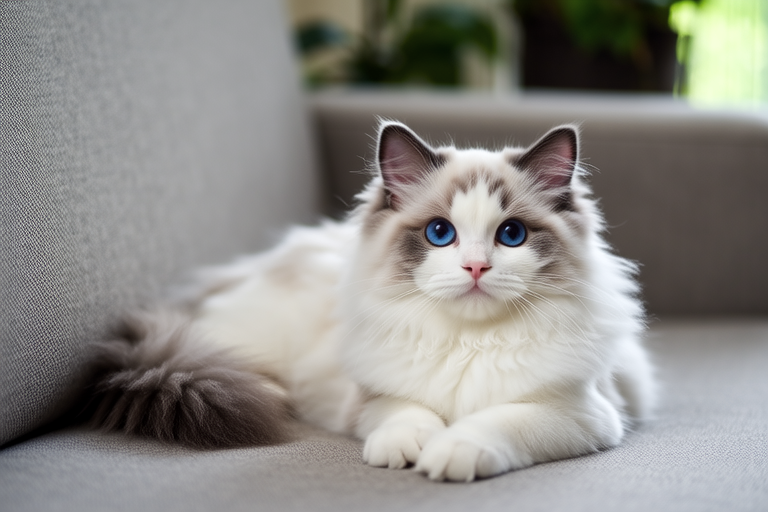
Ragdoll cats are known for their affectionate nature and stunning appearance. Their semi-longhaired coats and docile personalities make them popular pets among cat lovers. However, raising a happy and healthy Ragdoll cat requires more than just love and attention. Proper nutrition, grooming, exercise, and a stimulating environment are crucial for their well-being. This article will guide you through the secrets of raising a happy and healthy Ragdoll cat.
Nutrition: The Foundation of Health
Feeding your Ragdoll cat the right diet is the cornerstone of their health. High-quality cat food, rich in protein and low in carbohydrates, is essential for maintaining their energy levels and muscle mass. Look for cat foods that list meat as the primary ingredient, avoiding those with fillers or artificial additives. Wet food can be beneficial as it provides hydration, which is especially important for cats who may not drink enough water.
In addition to a balanced diet, consider supplements that support joint health, skin and coat condition, and overall vitality. Omega-3 fatty acids, found in fish oil, can help maintain a healthy coat and reduce inflammation. Glucosamine and chondroitin can support joint health, particularly for older Ragdolls. Consult with your veterinarian before adding any supplements to ensure they are appropriate for your cat’s age, weight, and health status.
Grooming Practices: Maintaining That Luxurious Coat
Ragdolls have semi-longhair coats that require regular grooming to prevent matting and keep their fur shiny and healthy. Brushing your Ragdoll cat at least three times a week is recommended. Use a slicker brush followed by a wide-tooth comb to remove loose hair and prevent tangles. During shedding seasons, daily brushing might be necessary.
Bathing your Ragdoll cat should be done sparingly, usually once every few months, unless they get into something particularly dirty. Use a gentle, cat-specific shampoo and ensure thorough rinsing to avoid leaving soap residue behind. After bathing, gently dry your cat with a towel and use a blow dryer set on low heat, keeping it at a safe distance from your cat’s body.
Exercise and Playtime: Keeping Your Ragdoll Active
Ragdolls are generally calm and sedentary, but they still need regular physical activity to stay healthy. Interactive toys like feather wands, laser pointers, and puzzle feeders can engage their minds and bodies. Rotate toys to keep your cat interested and excited. Daily play sessions of about 10 to 15 minutes can help maintain their muscle tone and stimulate their natural hunting instincts.
Consider setting up a cat tree or climbing structure to encourage climbing and stretching. Providing scratching posts can also help satisfy your cat’s need to scratch and stretch their muscles. Additionally, creating a safe outdoor space, such as a catio, allows your Ragdoll to enjoy fresh air and natural stimuli while remaining protected.
Common Health Issues and Preventive Measures
Ragdolls are generally healthy cats, but they are prone to certain genetic conditions. Hypertrophic cardiomyopathy (HCM) is one of the most common heart diseases in Ragdolls. Regular veterinary check-ups, including heart screenings, can help detect HCM early. Dilated cardiomyopathy (DCM) is another heart condition seen in this breed. A diet rich in taurine, an amino acid found in meat, can help prevent DCM.
Hypothyroidism, characterized by lethargy and weight gain, is also more prevalent in Ragdolls. Regular blood tests can monitor thyroid function and allow for early intervention if necessary. To prevent obesity, monitor your cat’s food intake and provide opportunities for physical activity.
A Comfortable and Stimulating Environment
Create a cozy and inviting space for your Ragdoll cat. Provide soft, comfortable bedding and multiple resting spots throughout your home. Cats appreciate vertical spaces, so consider adding shelves or perches where they can observe their surroundings. Ragdolls enjoy interacting with their environment, so offer various toys and scratching posts to keep them engaged.
Toys that mimic prey, such as feather wands or small plush toys, can stimulate their hunting instincts. Puzzle feeders can also provide mental stimulation while encouraging problem-solving skills. Ensure that your home is safe for your cat by covering electrical cords and securing loose items that could pose hazards.
Socialization and Training Methods
Ragdolls are known for their friendly and sociable nature, making them excellent companions for families and other pets. Early socialization is key to ensuring your Ragdoll is comfortable around different people, animals, and environments. Expose your kitten to various experiences and sounds during their critical socialization period, typically between 2 and 7 weeks of age.
Positive reinforcement training can help teach your Ragdoll basic commands and good behaviors. Use treats and praise to reward desired actions. Training sessions should be short and frequent, lasting no more than 5 to 10 minutes per day. Consistency is crucial, so use the same commands and rewards each time.
Regular Veterinary Care and Early Detection
Regular veterinary visits are essential for maintaining your Ragdoll’s health. Annual check-ups allow your veterinarian to monitor your cat’s overall health and address any potential issues early. Vaccinations, parasite prevention, and dental care are all part of routine veterinary care.
Early detection of health problems can significantly improve treatment outcomes. Familiarize yourself with signs of illness, such as changes in appetite, unusual behavior, or difficulty breathing. If you notice any concerning symptoms, contact your veterinarian promptly. Establishing a relationship with a trusted veterinarian ensures that your Ragdoll receives the best possible care.
Raising a happy and healthy Ragdoll cat involves providing proper nutrition, regular grooming, ample exercise, and a stimulating environment. By addressing common health issues proactively and seeking early veterinary care, you can ensure your Ragdoll enjoys a long and fulfilling life. With love, attention, and care, your Ragdoll will thrive and bring joy to your home.
