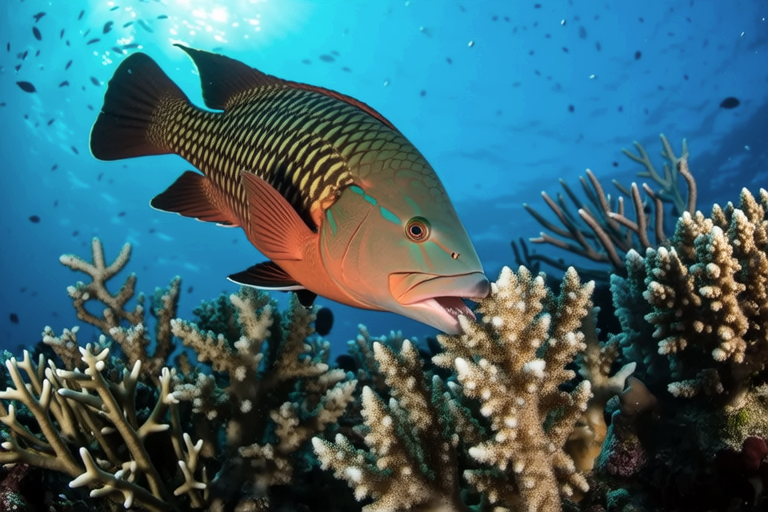
How Parrot Fish Are Saving Coral Reefs and Why We Should Care
The world’s coral reefs are among the most biodiverse ecosystems on the planet, supporting an incredible array of marine life and providing numerous benefits to humans. However, these vital habitats are under threat from various human activities and environmental changes. One of the unsung heroes in the fight to preserve coral reefs is the parrot fish. These colorful and fascinating creatures play a crucial role in maintaining the health of coral reefs through their unique feeding habits. Understanding the role of parrot fish and the threats facing coral reefs is essential for appreciating the importance of conserving these ecosystems.
The Role of Parrot Fish in Coral Reef Health
Parrot fish, known for their bright colors and distinctive beak-like mouths, are herbivores that primarily feed on algae that grow on coral reefs. Their diet consists mainly of algae, which they scrape off the coral surface using their strong beaks. This feeding behavior has a significant impact on the structure and health of coral reefs. By removing excess algae, parrot fish prevent algal overgrowth, which can otherwise smother and kill corals. This process is known as bioerosion and is critical for the maintenance of coral reef ecosystems.
Parrot fish also contribute to the formation of sand. As they consume algae, they ingest small amounts of coral skeleton along with it. After digestion, this material is excreted as fine sand particles. This sand contributes to the creation and maintenance of beaches and other coastal environments, further highlighting the ecological importance of these fish.
The Current State of Coral Reefs Globally
Coral reefs are facing unprecedented challenges due to climate change, pollution, and overfishing. Rising sea temperatures caused by global warming lead to coral bleaching, a phenomenon where corals expel the symbiotic algae living in their tissues, turning white and often dying. Pollution from agricultural runoff, sewage, and plastic waste introduces harmful chemicals and nutrients into the water, promoting algal growth and reducing water quality. Overfishing disrupts the delicate balance of marine ecosystems, leading to the decline of species that are vital for reef health.
The Global Coral Reef Monitoring Network (GCRMN) reports that approximately 30% of the world’s coral reefs have already been destroyed, and another 25% are at risk of collapse within the next few decades if current trends continue. The Caribbean region, once home to vibrant coral reefs, has seen a significant decline in parrot fish populations, contributing to the degradation of its reefs.
Threats to Coral Reefs and the Importance of Parrot Fish
In areas where parrot fish populations have declined, the effects on coral reefs have been dramatic. For example, the Caribbean has experienced a significant decrease in parrot fish numbers due to overfishing and habitat destruction. As a result, many reefs in the region have become dominated by macroalgae, which outcompete corals for space and resources. In contrast, areas like the Great Barrier Reef, which still maintains healthy parrot fish populations, tend to have more resilient and diverse coral communities.
Research conducted by the University of Queensland found that reefs with abundant parrot fish populations were more likely to recover from disturbances such as cyclones and bleaching events. This resilience underscores the importance of protecting parrot fish populations as part of broader coral reef conservation efforts.
Economic and Ecological Importance of Coral Reefs
Coral reefs provide invaluable economic and ecological services. Economically, they support fisheries, tourism, and coastal protection. According to the World Resources Institute, coral reefs generate approximately $375 billion annually through these activities. Ecologically, they serve as nurseries for many commercially important fish species and act as natural barriers against storm surges and erosion.
The loss of coral reefs would have severe consequences for both marine biodiversity and human communities. Many coastal communities rely on coral reefs for food security and livelihoods. Additionally, the decline of coral reefs could lead to increased vulnerability to natural disasters, threatening the safety and well-being of millions of people worldwide.
Actionable Steps to Support Parrot Fish Populations and Coral Reef Conservation
To ensure the survival of parrot fish and the coral reefs they help maintain, several actions can be taken:
- Support sustainable fishing practices: Encourage local fishing communities to adopt sustainable fishing methods that minimize the capture of parrot fish. This includes implementing size limits, seasonal closures, and no-take zones to allow fish populations to recover.
- Reduce pollution: Promote the proper disposal of waste and the use of eco-friendly products to reduce the amount of pollutants entering the oceans. Supporting initiatives that clean up marine debris and prevent runoff from entering waterways can also help protect coral reefs.
- Advocate for climate action: Advocate for policies and actions that address climate change, including reducing greenhouse gas emissions and transitioning to renewable energy sources. Limiting global temperature rise is crucial for preventing further coral bleaching and ocean acidification.
- Engage in citizen science: Participate in coral reef monitoring programs and citizen science initiatives that track the health of coral reefs and parrot fish populations. Your contributions can provide valuable data for researchers and policymakers.
- Support conservation organizations: Donate to or volunteer with organizations dedicated to coral reef conservation and marine biodiversity protection. These groups work tirelessly to protect and restore coral reefs and the species that depend on them.
By taking these steps, individuals can make a tangible difference in the preservation of parrot fish populations and the coral reefs they help maintain. Every effort counts in the global effort to protect these vital ecosystems.
Conclusion
Parrot fish play a pivotal role in maintaining the health of coral reefs through their unique feeding habits. Their ability to control algal growth and contribute to sand production is essential for the resilience and diversity of coral reef ecosystems. However, the threats facing coral reefs are severe, and without concerted efforts to protect parrot fish and their habitats, these vital ecosystems may continue to decline.
The economic and ecological importance of coral reefs cannot be overstated. They provide critical services to both marine life and human communities, and their preservation is essential for the future of our planet. By supporting sustainable fishing practices, reducing pollution, advocating for climate action, engaging in citizen science, and supporting conservation organizations, we can all contribute to the protection of parrot fish and the coral reefs they help sustain.
Let us not underestimate the power of individual actions in creating positive change. Together, we can ensure the survival of parrot fish and the vibrant coral reefs they call home, safeguarding the future of our oceans and the countless species that depend on them.
