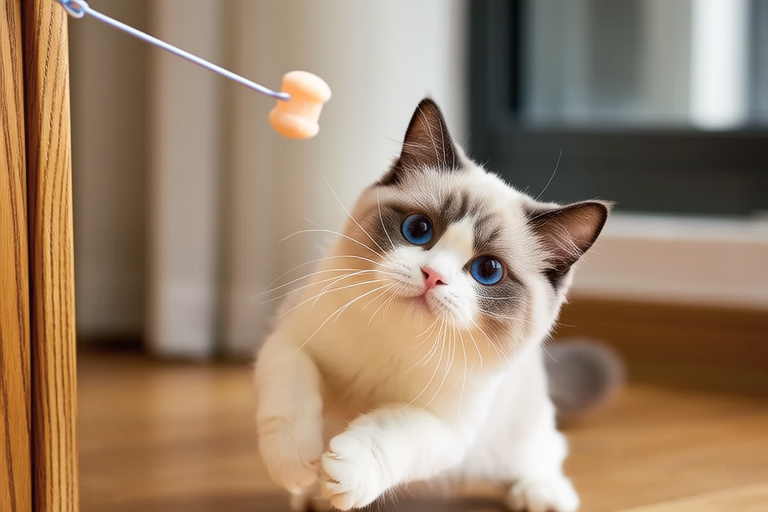
Adorable and Agile: Discover the Unique World of Munchkin Cats
In the realm of feline companions, there exists a breed that has captured the hearts of many with its charming appearance and delightful personality. The Munchkin cat, known for its disproportionately short legs, is a breed that combines cuteness with surprising agility. This article delves into the unique world of Munchkins, exploring their distinctive physical traits, playful yet gentle nature, and unique health considerations. We will also debunk common myths surrounding this breed and offer tips for potential owners on how best to care for these adorable creatures.
The Distinctive Physical Traits of Munchkin Cats
Munchkin cats are perhaps best known for their unusually short legs, a genetic trait that gives them a distinctively whimsical appearance. These short legs, which can be as short as half the length of an average cat’s legs, are the result of a naturally occurring mutation. Despite their diminutive stature, Munchkins possess a robust, muscular body that belies their small size. Their bodies are often described as sturdy and well-proportioned, with large round eyes that give them an endearing, almost doll-like appearance.
Their coats come in a variety of colors and patterns, making each Munchkin unique. They can have either long or short hair, depending on their lineage. Regardless of their coat type, Munchkins are typically easy to groom, requiring minimal maintenance. Their faces are often framed by large, expressive ears that add to their overall charm. The combination of these features creates a cat that is not only visually striking but also highly appealing to pet lovers.
A Playful Yet Gentle Nature
Beneath their adorable exterior lies a playful and gentle spirit. Munchkin cats are known for their curiosity and love of play. They enjoy interactive toys and are particularly fond of games that involve chasing and pouncing. Despite their playful nature, Munchkins are also gentle and affectionate, making them excellent companions for families with children or other pets. Their adaptability and friendly disposition make them a favorite among cat enthusiasts.
Anecdotes from owners often highlight the Munchkin’s unique ability to navigate their environment with surprising ease. One such story involves a Munchkin named Whiskers who managed to leap onto a high shelf to retrieve a toy that had been placed out of reach. While the sight of a Munchkin jumping might seem comical, it showcases their incredible agility and determination. Studies have shown that while their legs are shorter, Munchkin cats have developed compensatory mechanisms that allow them to move with remarkable grace and speed.
Unique Health Considerations
Despite their playful and active lifestyle, Munchkin cats do face some unique health considerations. The most notable concern is spinal issues related to their shortened limbs. Some Munchkin cats may develop lordosis, a condition where the spine curves inward, or kyphosis, where the spine curves outward. Regular veterinary check-ups are essential to monitor the health of their spine and address any issues early on.
Another common issue is joint problems due to the strain placed on their legs. Owners should ensure that their Munchkin has a comfortable living space with soft bedding and consider using ramps to help them access elevated areas. Additionally, maintaining a healthy weight is crucial for preventing undue stress on their joints. A balanced diet and regular exercise can go a long way in keeping your Munchkin happy and healthy.
Myths vs. Facts About Munchkin Cats
There are several misconceptions about Munchkin cats that are important to address. One common myth is that their short legs make them less capable of performing typical cat activities. As mentioned earlier, studies have demonstrated that Munchkin cats are quite agile and can perform many tasks just as well as their longer-legged counterparts. Another myth is that they are prone to respiratory problems due to their shortened bodies. However, there is no scientific evidence to support this claim.
It is also worth noting that the Munchkin breed is not a result of unethical breeding practices. The breed emerged naturally, and responsible breeders work diligently to ensure the health and well-being of their cats. By choosing a reputable breeder, potential owners can help ensure that their Munchkin comes from a healthy lineage.
Tips for Potential Owners
If you’re considering adding a Munchkin to your family, there are several factors to keep in mind. First and foremost, it’s important to choose a reputable breeder who prioritizes the health and welfare of their cats. Ask to see documentation of any health screenings and speak with previous owners to gain insight into the breeder’s practices.
Once you bring your Munchkin home, creating a safe and comfortable environment is key. Provide plenty of soft bedding and consider using ramps to help them access elevated spaces. Interactive toys can help keep your Munchkin mentally stimulated and physically active. Regular vet visits are essential for monitoring their health and addressing any issues promptly.
Lastly, remember that every cat is an individual. While Munchkins share certain characteristics, each one has its own unique personality. Spend time getting to know your new companion and tailor your care to suit their specific needs and preferences.
Conclusion
Munchkin cats are a delightful addition to any household, offering a blend of charm, agility, and affection. Their distinctive physical traits, playful yet gentle nature, and unique health considerations make them a fascinating breed to learn about and care for. By understanding the myths and realities surrounding Munchkin cats and following best practices for their care, potential owners can ensure a happy and healthy life for these adorable and agile feline companions.
