How Siamese Cats Have Taken Over the Internet—And Our Hearts
The internet has been abuzz with images and videos of Siamese cats, and it’s easy to see why. With their striking blue almond-shaped eyes, sleek coats, and vocal personalities, these felines have captured the hearts of millions. From viral videos to social media posts, Siamese cats have taken over the internet, becoming an integral part of online culture. But what makes these cats so special? Let’s delve into the unique characteristics of Siamese cats that have made them stand out, their growing presence on social media platforms, and the reasons behind their popularity.
The Unique Characteristics of Siamese Cats
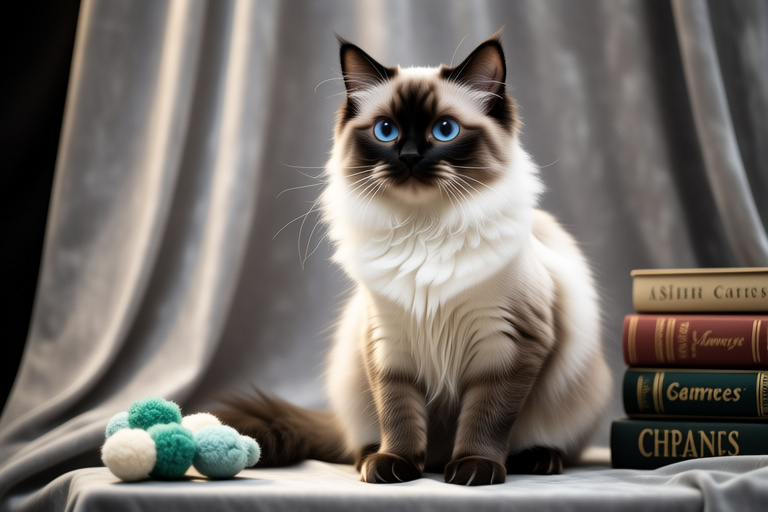
Siamese cats are known for their distinctive features that set them apart from other breeds. Their most recognizable characteristic is their striking blue almond-shaped eyes, which give them a mysterious and almost ethereal appearance. These eyes are a result of a genetic mutation that affects the production of melanin, leading to the blue coloration. The eyes of Siamese kittens are typically grey at birth but gradually turn blue as they grow older.
Another defining feature of Siamese cats is their coat coloration, known as point coloration. This phenomenon occurs because the gene responsible for producing pigment is temperature-sensitive. As a result, the cooler parts of their bodies—the paws, ears, tail, and face—develop darker fur, while the warmer parts remain lighter. This creates a striking contrast between the body and extremities, making Siamese cats visually captivating.
Siamese cats are also known for their vocal nature. They are often described as being very talkative, with a range of meows and chirps that can sound almost human. This vocalization is not just for attention; it’s also a way for Siamese cats to communicate their needs and emotions. Some experts believe that this trait may be linked to their intelligence and desire for interaction. Siamese cats are highly social animals and enjoy spending time with their human companions.
The Growing Presence of Siamese Cats on Social Media
The rise of social media has played a significant role in popularizing Siamese cats. Platforms like Instagram, TikTok, and YouTube have become breeding grounds for cat content, and Siamese cats have been at the forefront of this trend. Their unique looks and personalities make them ideal subjects for viral videos and memes.
One of the most famous Siamese cat videos on YouTube is “The Grumpy Cat,” a short clip that went viral in 2012. While “The Grumpy Cat” is not a Siamese, the video’s success inspired many Siamese cat owners to share their own videos and photos. These clips often showcase the breed’s playful and affectionate nature, as well as their distinctive vocalizations. Many Siamese cat owners have reported that their pets have become internet sensations after being featured in these videos.
Instagram has also been a platform where Siamese cats have gained immense popularity. Accounts dedicated to sharing pictures and stories of Siamese cats have amassed thousands of followers. These accounts often feature adorable photos of Siamese kittens, showcasing their playful antics and endearing expressions. One such account, @siamesecatsofinstagram, has over 300,000 followers and regularly shares user-generated content. The community that has formed around these accounts is a testament to the breed’s appeal and the power of social media.
Scientific Insights into Siamese Cat Behavior
Beyond their physical attributes, Siamese cats are also fascinating from a behavioral standpoint. Research has shown that Siamese cats are highly intelligent and curious creatures. They are known for their problem-solving abilities and have been observed using their paws to manipulate objects, much like primates. This intelligence, combined with their social nature, makes Siamese cats excellent companions for people who enjoy interactive play and mental stimulation.
Siamese cats are also known for their strong attachment to their human companions. Studies have shown that Siamese cats form deep emotional bonds with their owners, often seeking out physical contact and attention. This bond is thought to be a result of their evolutionary history. Siamese cats were originally bred in Thailand (formerly Siam) as companion animals for royalty, and this tradition of close bonding has been passed down through generations.
One interesting aspect of Siamese cat behavior is their tendency to engage in “kneading.” Kneading is a behavior where a cat rhythmically presses its paws against a soft surface, often accompanied by purring. While kneading is common among all cats, Siamese cats seem to engage in this behavior more frequently and intensely. Experts believe that kneading is a remnant of kittenhood, when cats would press against their mother’s belly to stimulate milk flow. For adult cats, kneading is often a sign of contentment and affection.
Famous Siamese Cats in Movies, TV Shows, and Viral Videos
Siamese cats have made appearances in numerous films, television shows, and viral videos, further cementing their status as internet sensations. One of the most iconic portrayals of a Siamese cat in film is Cheshire Cat from Disney’s “Alice in Wonderland” (1951). The character’s enigmatic smile and mischievous nature have left a lasting impression on audiences, and many viewers have noted the similarity between Cheshire Cat and real-life Siamese cats.
On television, Siamese cats have appeared in popular shows such as “The Big Bang Theory” and “Catscratch.” In “The Big Bang Theory,” Leonard Hofstadter adopts a Siamese cat named Snowball II, who becomes a beloved member of the cast. The show’s portrayal of Snowball II as a quirky and lovable pet has resonated with fans, further boosting the breed’s popularity. In “Catscratch,” a web series created by YouTube personality Hannah Hart, a Siamese cat named Mimi plays a central role. The show’s comedic take on life with a Siamese cat has garnered a large following and has helped to introduce the breed to new audiences.
Viral videos featuring Siamese cats have also contributed to their popularity. One such video, “The Siamese Cat Who Hates His Food Bowl,” showcases a Siamese cat’s humorous reaction to his food bowl. The video has been viewed millions of times and has become a favorite among cat lovers. Another viral video, “The Siamese Cat Who Thinks He’s a Dog,” features a Siamese cat who insists on joining his owner during walks, much like a dog. These videos highlight the playful and quirky side of Siamese cats, making them even more appealing to internet users.
Why Siamese Cats Are So Popular
There are several reasons why Siamese cats have become so popular, both online and in real life. Their unique appearance, combined with their friendly and social nature, makes them ideal pets for families and individuals alike. Siamese cats are known for their loyalty and affection, and many owners report that their pets form deep bonds with them. This emotional connection is one of the main reasons why Siamese cats are so beloved.
Siamese cats are also highly trainable, which makes them suitable for households that enjoy interactive play and training. They are quick learners and can be taught to perform tricks and respond to commands. This trainability, combined with their intelligence, makes Siamese cats an engaging and entertaining addition to any home.
In addition to their physical and behavioral traits, Siamese cats have a rich cultural history that adds to their appeal. Originating in Thailand, Siamese cats were once considered sacred animals and were kept as companions for royalty. This history has contributed to the breed’s mystique and allure, making them even more desirable to cat lovers.
Conclusion
Siamese cats have truly taken over the internet, capturing the hearts of millions with their striking appearance and charming personalities. Their unique physical traits, such as their blue almond-shaped eyes and point coloration, make them visually captivating, while their vocal nature and intelligence make them engaging companions. The rise of social media has provided a platform for Siamese cats to shine, and their presence on platforms like Instagram and YouTube has only fueled their popularity.
From viral videos to appearances in movies and TV shows, Siamese cats have become an integral part of online culture. Their growing presence on social media platforms is a reflection of their appeal and the deep emotional connections they form with their human companions. Whether you’re a seasoned cat lover or considering adding a Siamese to your family, there’s no denying that these fascinating felines have earned their place in our hearts.
