How Schnauzers Have Conquered Social Media—One Fluffy Beard at a Time
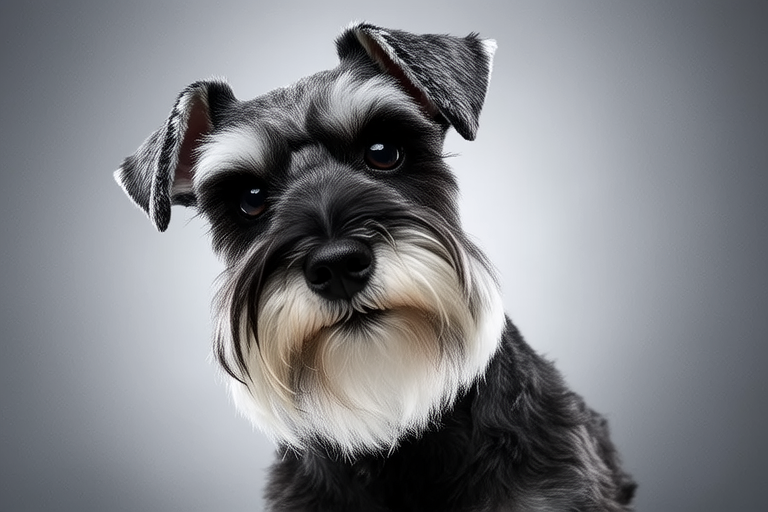
Schnauzers, a breed known for their distinctive appearance, have captured hearts worldwide. With their wiry coats and most notably, their fluffy beards, these dogs exude charm and character. Their appearance alone sets them apart from other breeds, making them instantly recognizable and beloved. The Schnauzer comes in three sizes: Miniature, Standard, and Giant, each with its own set of unique traits. Despite their varied sizes, all Schnauzers share the characteristic beard that gives them their signature look.
The rise of social media has dramatically transformed the way we perceive pets, especially dogs. Platforms like Instagram, TikTok, and YouTube have opened up new avenues for pet owners to share their furry companions’ lives with the world. This digital revolution has turned many pets into celebrities, creating a space where animals can showcase their personalities and antics. Social media has not only changed the way people interact with pets but also how they connect with one another through shared interests.
Among the myriad of dog breeds thriving on social media, Schnauzers have carved out a special niche for themselves. Their unique look, which includes those iconic beards, resonates strongly with audiences. Schnauzers’ presence on platforms such as Instagram, TikTok, and YouTube has grown exponentially over recent years. These platforms provide an ideal stage for Schnauzers to display their playful nature and charming quirks, captivating followers with their every move.
Popular Schnauzer influencers like @schnauzertimes and @schnauzerlife have amassed large followings by sharing relatable and humorous content. Videos showcasing their daily adventures, training sessions, and even grooming routines offer a glimpse into the lives of these adorable dogs. One particular trend that has gained traction involves Schnauzers participating in human-like activities, such as cooking or dressing up, which further endears them to their audience. The appeal lies in the contrast between their regal appearance and their playful, sometimes mischievous behavior.
The community and culture built around Schnauzers on social media are vibrant and inclusive. Fans engage in lively discussions, sharing tips, stories, and photos of their own Schnauzers. This interaction fosters a sense of belonging among enthusiasts and strengthens the bond between humans and their canine companions. Additionally, fans participate in various challenges and trends, such as #SchnauzerBeardDay, where owners highlight their dogs’ distinctive facial features. These trends not only entertain but also serve as a platform for education about proper grooming and care for Schnauzers.
The success of Schnauzers on social media has had a significant impact on pet-related content creation. It has inspired other dog owners to document their pets’ lives more creatively and authentically. The rise of Schnauzer influencers has also influenced the type of content being produced, encouraging creators to focus on the emotional connections and unique qualities of their pets. Furthermore, the increased visibility of Schnauzers on social media has contributed to a surge in interest in the breed, leading to higher adoption rates and greater recognition in real-life communities.
In conclusion, Schnauzers have truly conquered social media, one fluffy beard at a time. Their distinctive appearance, combined with their lovable personalities, has made them stars in the digital age. Through social media platforms, Schnauzers have found a global audience that adores them for their unique traits and charming antics. The community and culture built around them on social media have fostered a sense of connection and shared experiences among fans. Ultimately, the success of Schnauzers on social media reflects the broader trend of pet-centric content creation and has positively impacted the breed’s popularity in real life.
