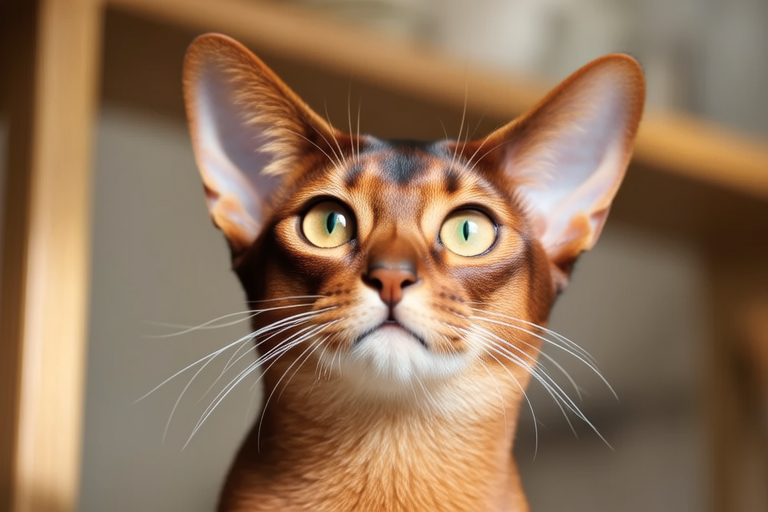
Top 10 Reasons Why Abyssinians Are the Perfect Pets
Abyssinians, also known as Aby or Aby cats, are one of the most fascinating and sought-after breeds due to their unique characteristics. Their striking appearance, coupled with their friendly yet independent demeanor, makes them ideal companions for cat lovers. This article will explore ten compelling reasons why Abyssinians are perfect pets.
1. Unique Coat Patterns
Their distinctive coat pattern is one of the first things that catch the eye of potential owners. The Abyssinian’s coat features a ticked tabby pattern, where each hair has bands of color, creating a shimmering effect under light. This pattern is believed to have originated from ancient Egyptian times, giving the breed a regal appearance. The colors range from ruddy (the traditional color), to blue, fawn, and cinnamon, adding to their charm. This unique coat requires minimal grooming, making it easier for owners who prefer low-maintenance pets.
2. Playful Yet Independent Nature
Abyssinians are known for their playful and curious nature, often exploring their environment with great enthusiasm. They love to play fetch, chase toys, and climb. However, they are also independent cats that enjoy spending time alone. This independence means they can entertain themselves when their owners are busy, reducing the likelihood of destructive behavior. Their playful yet independent nature makes them suitable for both single individuals and families alike.
3. Adaptability to Various Living Environments
Abyssinians are highly adaptable to different living conditions, whether it be a small apartment or a spacious house. They adjust well to changes in routine and can thrive in urban or rural settings. Their adaptability ensures that they can fit into almost any lifestyle, making them versatile companions. This trait is particularly beneficial for people who lead active lives or frequently travel.
4. Intelligence
These cats are incredibly intelligent, which contributes significantly to their appeal. Abyssinians are quick learners and can easily grasp new commands or tricks. They enjoy interactive toys that stimulate their minds, such as puzzle feeders or laser pointers. Their intelligence also means they can solve problems on their own, like opening cabinets or doors, showcasing their resourcefulness. Owners often find these cats engaging conversationalists, as they seem to understand their owner’s moods and respond accordingly.
5. Historical Background
The history of the Abyssinian breed dates back to ancient Egypt, where they were revered and depicted in hieroglyphics. Legend has it that they were worshipped as gods, and some believe they were companions to pharaohs. Modern Abyssinians trace their lineage to British and American breeding programs in the late 19th century. The breed’s name comes from Abyssinia, now Ethiopia, though there is no concrete evidence linking the breed directly to this region. Regardless, their storied past adds to their mystique and charm.
6. Grooming Needs
Abyssinians have short, fine coats that require minimal grooming. A weekly brushing is usually sufficient to remove loose hairs and distribute skin oils, keeping their coat shiny and healthy. Their self-grooming habits mean they spend a lot of time cleaning themselves, further reducing the need for frequent baths. Owners may occasionally need to trim their claws and clean their ears, but overall, grooming an Abyssinian is a straightforward process.
7. Health Considerations
Like all breeds, Abyssinians are prone to certain health issues. One common concern is dental disease, which can be managed through regular dental care and professional cleanings. Another potential issue is a condition called pyruvate kinase deficiency, a genetic disorder affecting red blood cells. Responsible breeders screen for this condition to minimize its occurrence. Regular veterinary check-ups and a balanced diet can help ensure your Abyssinian lives a long, healthy life.
8. Compatibility with Families and Other Pets
Abyssinians are generally good with children and other pets, provided they are introduced gradually and given proper socialization. They tend to be patient and tolerant, making them excellent family pets. However, their independent nature means they may not always seek constant attention, so children should be taught to respect their space. When introduced to other pets, Abyssinians typically get along well, especially if they are accustomed to living with other animals from a young age.
9. Vocal Communication
Abyssinians are known for their communicative nature, often using a variety of vocalizations to express themselves. They are not overly loud, but they do have a distinctive voice that can be quite melodic. They communicate with their owners through chirps, trills, and soft meows, seeking attention or expressing their needs. Their vocalizations are often described as musical, adding to their charm and making them delightful conversationalists.
10. Exercise Requirements
Abyssinians are energetic cats that require regular physical activity to stay healthy and happy. Providing them with climbing structures, interactive toys, and opportunities to explore their environment is essential. They enjoy playing fetch, chasing laser pointers, and engaging in other stimulating activities. Ensuring they have outlets for their energy helps prevent behavioral issues and keeps them mentally sharp. Regular play sessions are a great way to bond with your Abyssinian and keep them entertained.
In conclusion, Abyssinians are truly remarkable pets that offer much more than just companionship. Their unique coat patterns, playful yet independent nature, adaptability, intelligence, rich history, minimal grooming needs, manageable health concerns, compatibility with families and other pets, engaging vocal communication, and exercise requirements all contribute to making them perfect pets. If you’re looking for a loving, intelligent, and entertaining companion, an Abyssinian might just be the right choice for you.
