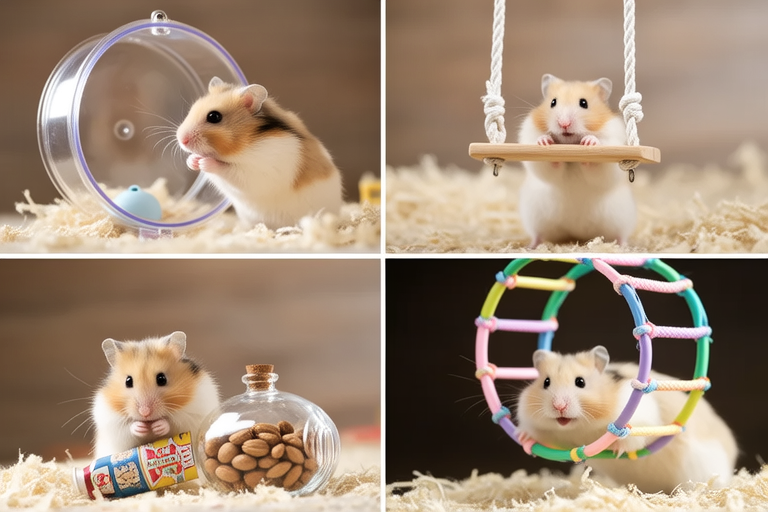
5 Ingenious Hamster Toys That Will Keep Your Pet Entertained All Day
Hamsters are small, energetic creatures that require both physical and mental stimulation to thrive. Providing them with a variety of toys not only keeps them entertained but also helps prevent boredom and stress, which can lead to behavioral issues or health problems. Engaging toys encourage exercise, stimulate natural instincts, and promote overall well-being. In this article, we explore five ingenious hamster toys that will keep your pet entertained all day, ensuring they lead a happy and healthy life.
1. Exercise Wheel
The exercise wheel is one of the most essential toys for hamsters. It allows them to run freely, which is crucial for their physical health. Running wheels come in various sizes, but it’s important to choose one that fits your hamster comfortably. The wheel should be large enough so that the hamster’s back doesn’t arch unnaturally while running.
Design: An ideal exercise wheel has a solid surface to prevent injuries from falling through gaps. It should also be made from durable materials that can withstand regular use without breaking or becoming hazardous.
Stimulates Natural Behaviors: Hamsters are nocturnal animals and are naturally inclined to run during nighttime hours. The exercise wheel provides an outlet for this behavior, allowing them to expend energy and maintain their muscle tone.
Potential Benefits: Regular use of an exercise wheel can improve cardiovascular health, reduce obesity, and alleviate stress. Additionally, it helps regulate sleep patterns by providing a consistent routine for physical activity.
2. Tunnel System
Tunnels are another excellent addition to any hamster’s living space. They offer a safe environment for exploration and provide mental stimulation through problem-solving and curiosity.
Design: A good tunnel system consists of interconnecting tubes that allow the hamster to navigate through different pathways. Some tunnels may have small openings or bends, adding complexity to the play experience.
Stimulates Natural Behaviors: In the wild, hamsters live in burrows where they constantly explore new areas. Tunnels replicate this environment, encouraging your pet to investigate and find its way through the maze.
Potential Benefits: Tunnel systems help develop spatial awareness and cognitive skills. They also promote social interaction if you have multiple hamsters sharing the same habitat.
3. Puzzle Feeders
Puzzle feeders challenge hamsters mentally while providing them with food. These toys encourage problem-solving and patience, mimicking foraging behavior found in nature.
Design: Puzzle feeders typically consist of containers with small holes or compartments that require manipulation to access the treats inside. Some designs may include rotating parts or sliding panels.
Stimulates Natural Behaviors: Hamsters spend much of their time searching for food in the wild. Puzzle feeders recreate this experience by requiring the animal to work for its meal.
Potential Benefits: Using puzzle feeders can reduce overeating and obesity by making meals more satisfying. They also enhance mental agility and delay the onset of cognitive decline associated with aging.
4. Hammock
A hammock provides a cozy resting place for your hamster, promoting relaxation and comfort. It’s especially useful for those who enjoy sleeping off their daytime adventures.
Design: A high-quality hammock is usually made from soft, breathable fabric such as cotton or fleece. It should be sturdy enough to support the weight of your hamster without sagging or tearing.
Stimulates Natural Behaviors: In the wild, hamsters often create nests within their burrows. A hammock simulates this nesting behavior, offering a secure spot for your pet to rest.
Potential Benefits: Proper rest is vital for maintaining good health. By providing a comfortable resting area, you ensure that your hamster gets adequate sleep, which supports immune function and general well-being.
5. Climbing Rope
Climbing ropes offer an opportunity for vertical exploration, stimulating both physical and mental faculties. They’re particularly beneficial for active hamsters who need additional outlets for their energy.
Design: A climbing rope should be thick enough to provide stability but flexible enough to allow easy gripping. It should also be securely anchored to prevent accidents.
Stimulates Natural Behaviors: Hamsters are agile climbers and enjoy exploring elevated spaces. Climbing ropes satisfy this instinctive behavior, allowing your pet to scale heights safely.
Potential Benefits: Regular climbing exercises strengthen muscles and improve coordination. It also reduces boredom and promotes mental engagement, contributing to a healthier lifestyle.
Selecting Appropriate Toys Based on Age, Size, and Activity Level
When choosing toys for your hamster, consider its specific needs based on age, size, and activity level. Younger hamsters tend to be more playful and adventurous, requiring toys that encourage exploration and learning. Older hamsters might benefit from quieter, more relaxing options like hammocks.
For smaller breeds, opt for lightweight materials and compact designs to avoid injury. Larger breeds may need sturdier constructions capable of supporting their weight.
Active hamsters will appreciate toys that challenge them physically, such as climbing ropes or puzzle feeders. Less active individuals may prefer softer items like hammocks or plush toys for comfort.
In conclusion, investing in thoughtful toys for your hamster enhances its quality of life by addressing both physical and mental needs. By selecting age-appropriate, size-appropriate, and activity-level-appropriate toys, you contribute significantly to your pet’s happiness and longevity.
